
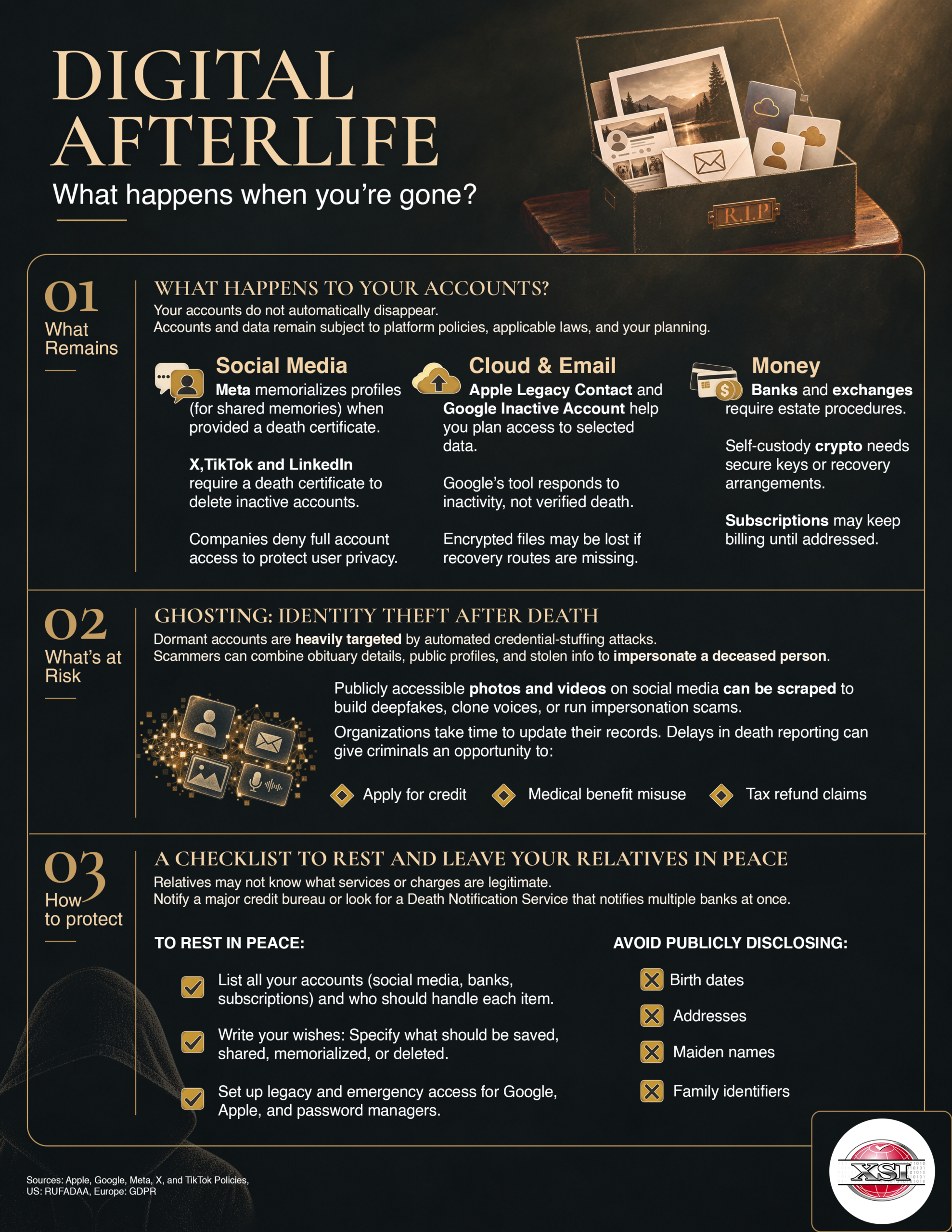
- What happens to your digital life when you pass away?
- Our most requested topic of 2026: here’s a new video that reviews how passkeys work.
- The realistic looking scam email that is causing a global problem.
Was this content helpful?
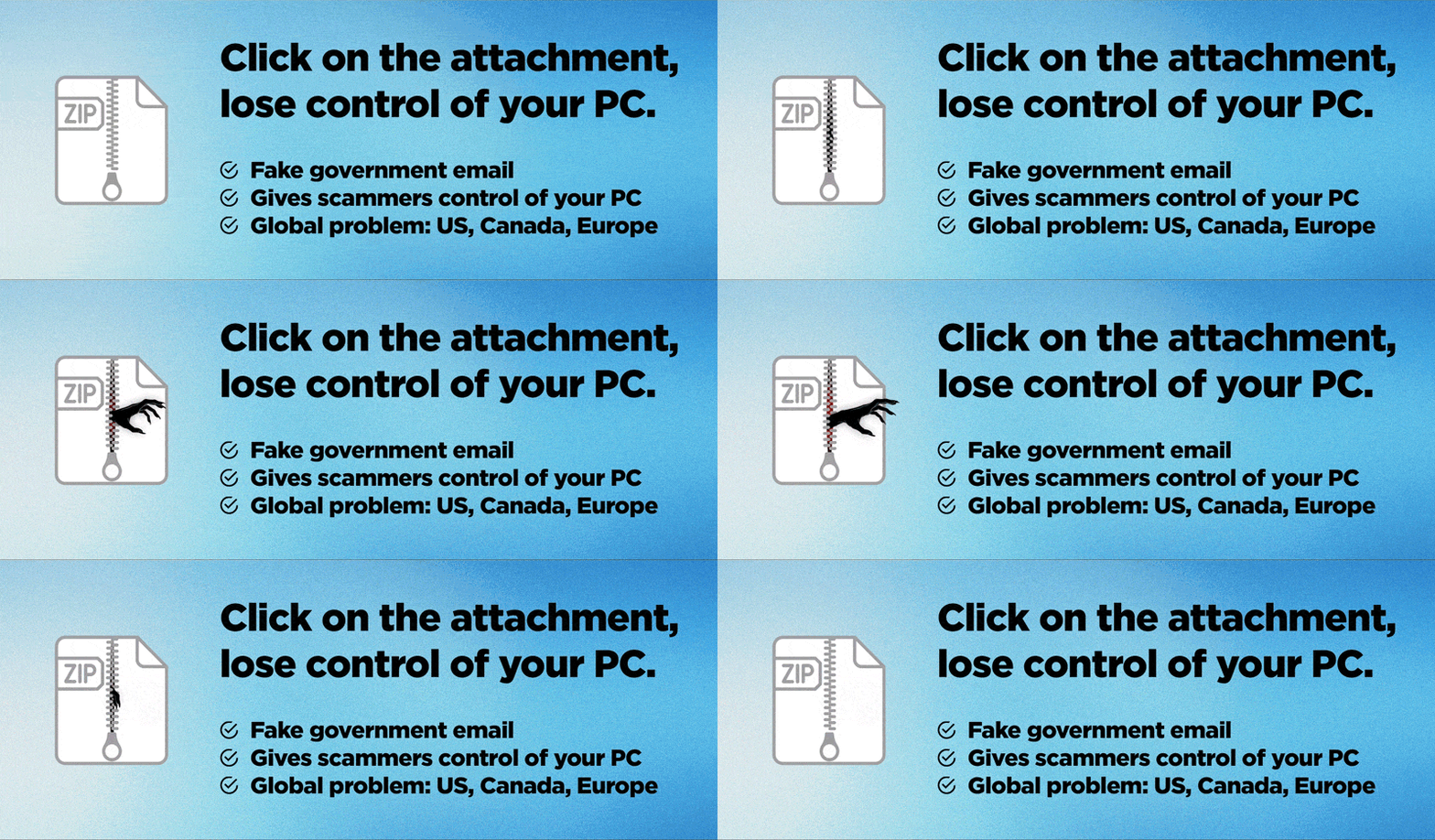
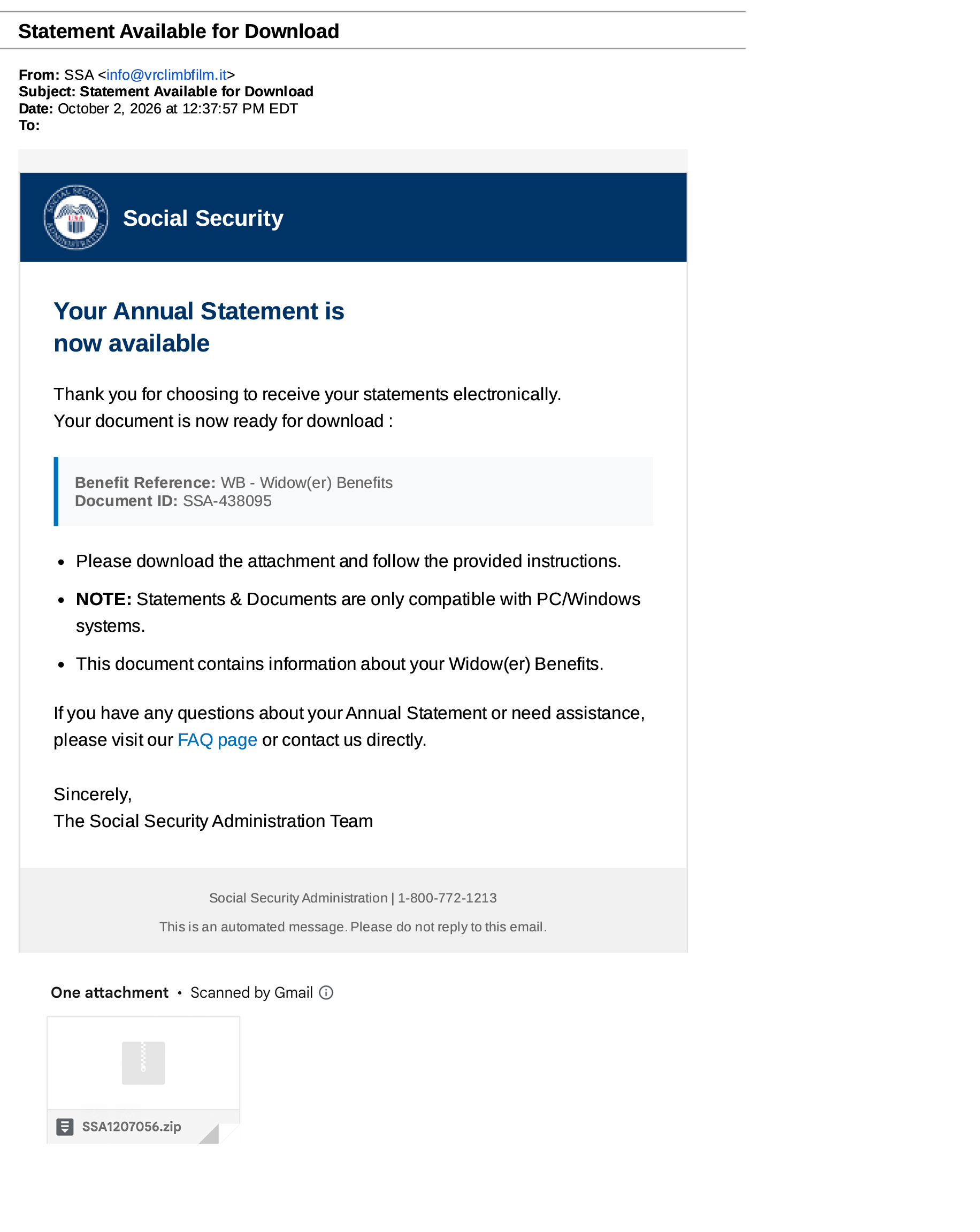
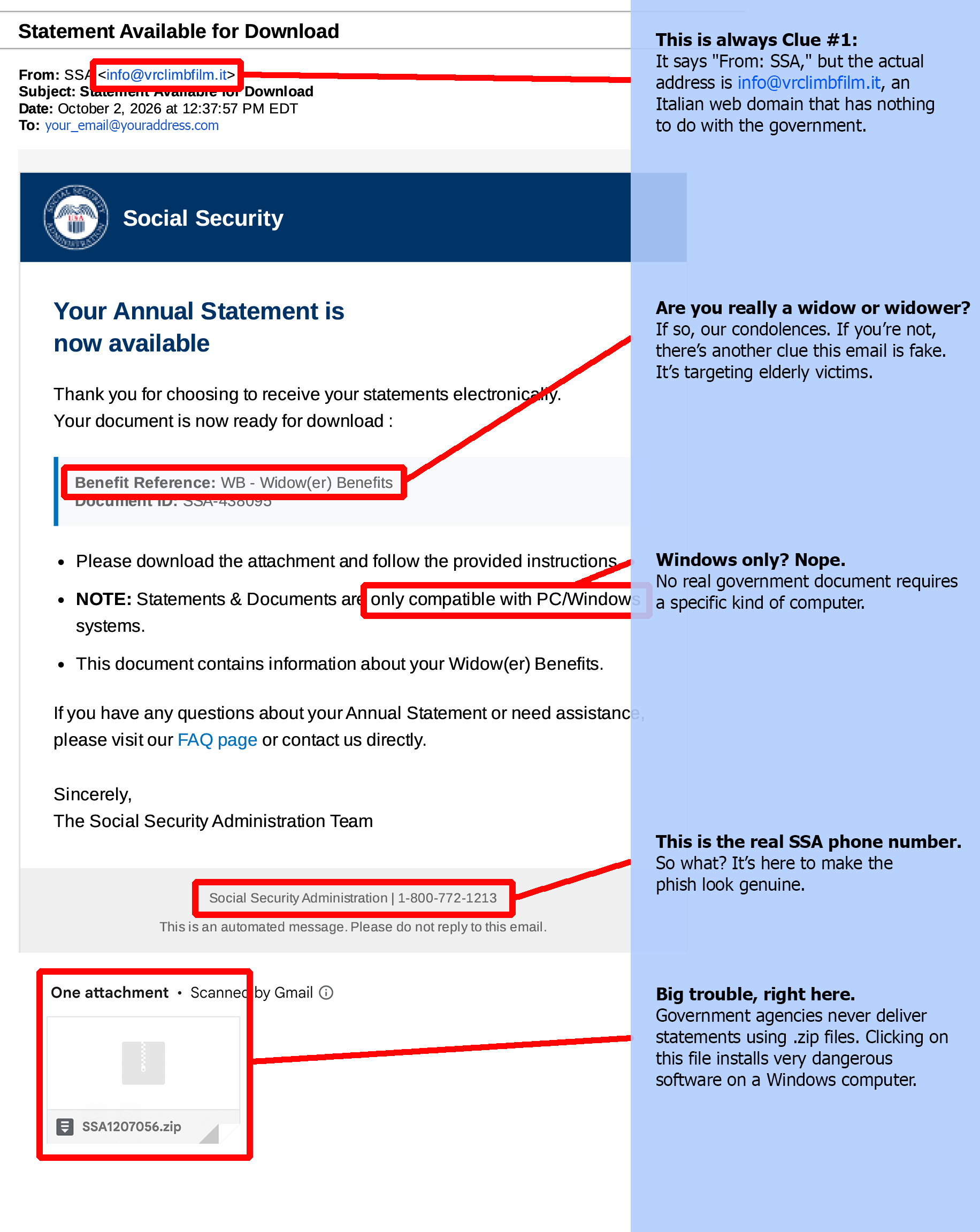
Here’s an email that looks like it came from the Social Security Administration. This example is from the U.S., but similar scams appear worldwide, often using the names of local government agencies. It says your annual statement is ready for review and instructs you to download the attached “zip” file to see it.
But the attached file doesn’t contain your statement. It’s a software program that lets scammers take control of your computer from anywhere in the world. Install it, and they’ll see your screen, open your files, and get into your accounts.
Notice the line saying the document “only works on Windows computers.” That’s because the dangerous software only runs on Windows.
To see your real statement, use your web browser to type in the address of the agency and log in to your account.
Live Cyber Poll
Cybersecurity News You Can Use
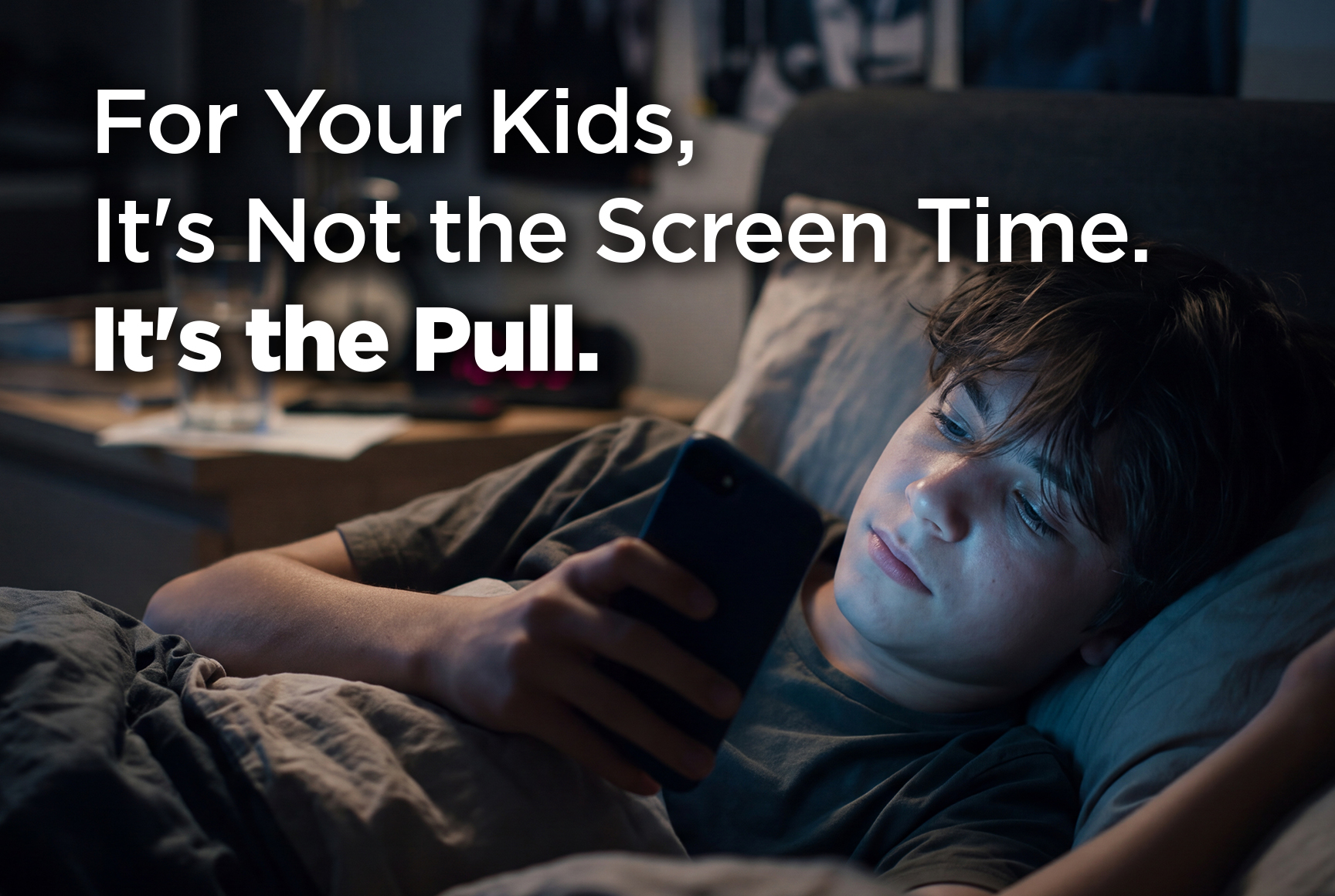
New research suggests the warning sign for kids on social media isn’t how many hours they spend on it, but whether their use becomes compulsive. A new study links heavy short-form video use to teens losing their focus on the future.
What should parents know about the most popular apps among teens?
TikTok’s pull is growing. 21% of teen users are almost always on TikTok. Teens tend to use it mostly for entertainment and Snapchat to keep up with friends. About four in 10 or more TikTok and Instagram users also get news on those platforms.
Roughly 3 in 10 teen Snapchat users have been called offensive names, had rumors spread about them or been threatened there, compared with about one in five teen TikTok or Instagram users.
AI chatbots are the newest hangout. 64% of teens use AI chatbots, and 12% say they’ve received emotional support from one. However, only about half of parents think their teen uses chatbots at all.
The Wall Street Journal reports that the endless stream of TikTok videos, Instagram Reels and YouTube Shorts may be changing how teens think about time. This content may weaken what psychologists call “future time perspective,” the ability to connect what you do today with what happens later, like studying now to get into college.
Cybersecurity Awareness Month Reminder
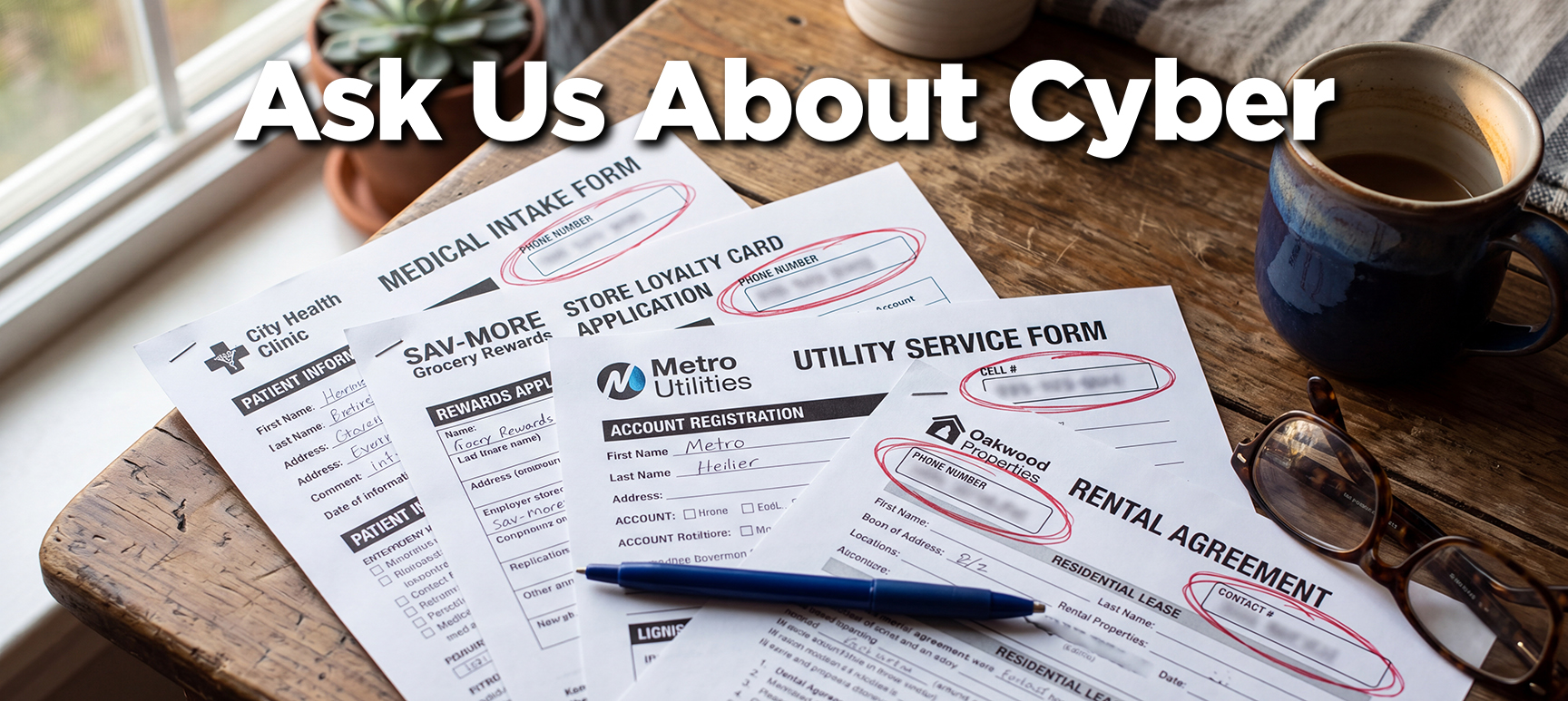
“Can someone track me or see my online activity just by knowing my phone number? And would getting a new number, and only sharing it with family, my doctor, and important companies, keep people from tracking me?”
Getting a new phone number probably won’t solve your problem because doctors, utilities, and retailers often share or sell contact data with marketing companies or credit bureaus, which can eventually re-list your new number in public databases. Someone who knows your phone number can’t see your location, the websites you visit, or your emails. But they can look you up on people-search websites, which show your name, address, and relatives, and they can use your number to send you scam calls and texts. One easy step: check your phone’s settings to see which apps can see your location. Turn each one off unless you use the app and it requires your location to function (such as driving apps).
“I got an email that looked like it was from Microsoft. It said someone was trying to link my cell phone number to another person’s account and told me to click ‘Stop’ if it wasn’t me. Should I change my password?”
Scammers love to impersonate prominent companies like Microsoft, Apple, Netflix, and Best Buy. Clicking the “Stop” button is almost certainly a trap: it will likely take you to a fake Microsoft page built to steal your password. Don’t click anything in the email. Instead, type account.microsoft.com into your browser yourself and check your recent activity, and if you already clicked the link or entered any information, change your password there right away.
“You recommended freezing our credit at Equifax, Experian, and TransUnion, and said it’s free and takes about 15 minutes. Will a freeze cause problems when we buy a car, or with anything else that needs a credit check? Also, the bureaus ask for our Social Security numbers, and I’m not comfortable giving them out. Is that safe?”
A credit freeze won’t hurt your credit score or affect the cards and loans you already have, but it will stop new lenders from checking your credit until you lift it. Before you shop for a car or apply for anything new, go to the credit bureaus’ websites and lift the freeze for a few days, which is free and usually takes effect within minutes.
It’s safe to give the bureaus your Social Security number, because they already have it on file and use it to confirm you’re really you. Just type equifax.com, experian.com, and transunion.com into your browser yourself. But never give your number to anyone who calls or emails claiming to be from a bureau.
Send us your cybersecurity question for possible use in a future newsletter.
You don’t have to provide your name or email address. If you do include an email address, we’ll do our best to respond to your question.
Cyber Content Archive: Always Available
Original content © 2026 Aware Force LLC