In this special edition: How one LinkedIn post compromised a company.
The email alert you got about your password manager not working: it’s fake.
Stay away from this new browser…at least for now.
Just one innocent post on LinkedIn about a job promotion compromised an entire organization. We’ve recreated the story here, and it will give you an idea how determined cyber crooks can be — and how easy it is for them to get what they want.
LinkedIn’s Quiet Data Grab: Starting this month, LinkedIn will begin sharing U.S. users’ profiles, activity, and viewership data with Microsoft to train AI models and personalize ads. You can opt out, but that won’t remove personal information or posts they’ve already collected. On LinkedIn.com, go to Settings & Privacy → Data privacy → Data for Generative AI Improvement → Toggle off “Use my data for training content creation AI models.”
Cybersecurity News You Can Use
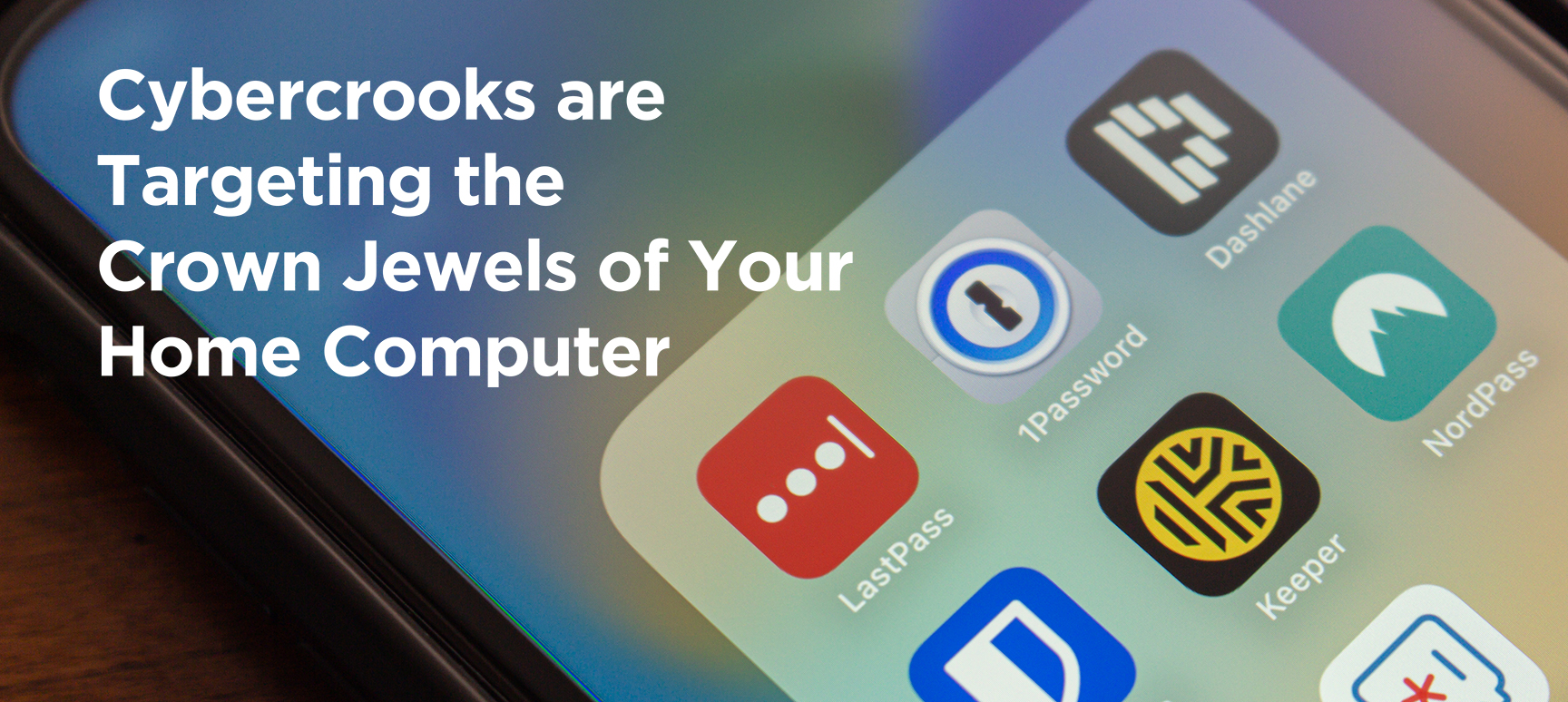
In the past month, there has been a surge of sophisticated phishing attacks targeting users of LastPass, Bitwarden, and 1Password, trying to trick them with fake “breach alert” emails. The messages look legitimate and direct users to fake login pages or to install “security updates.” BleepingComputer says this usually happens at this time of the year when holiday shopping ramps up. This is dangerous stuff because password managers protect so much of your personal data.
If you get an alert about your password manager, visit its website directly, log in, and check for alerts there.
Free TV App, Costly Consequences: A fake Android app called Mobdro Pro IPTV Plus VPN hides powerful malware capable of stealing banking credentials and taking over devices. Cybersecurity firm Cleafy warns the app has been downloaded thousands of times from ads that aren’t affiliated with Google Play.
Update Your Passwords
These organizations say they have been hacked recently. If you do business with any of these companies, change your account password and use two-factor authentication wherever possible.
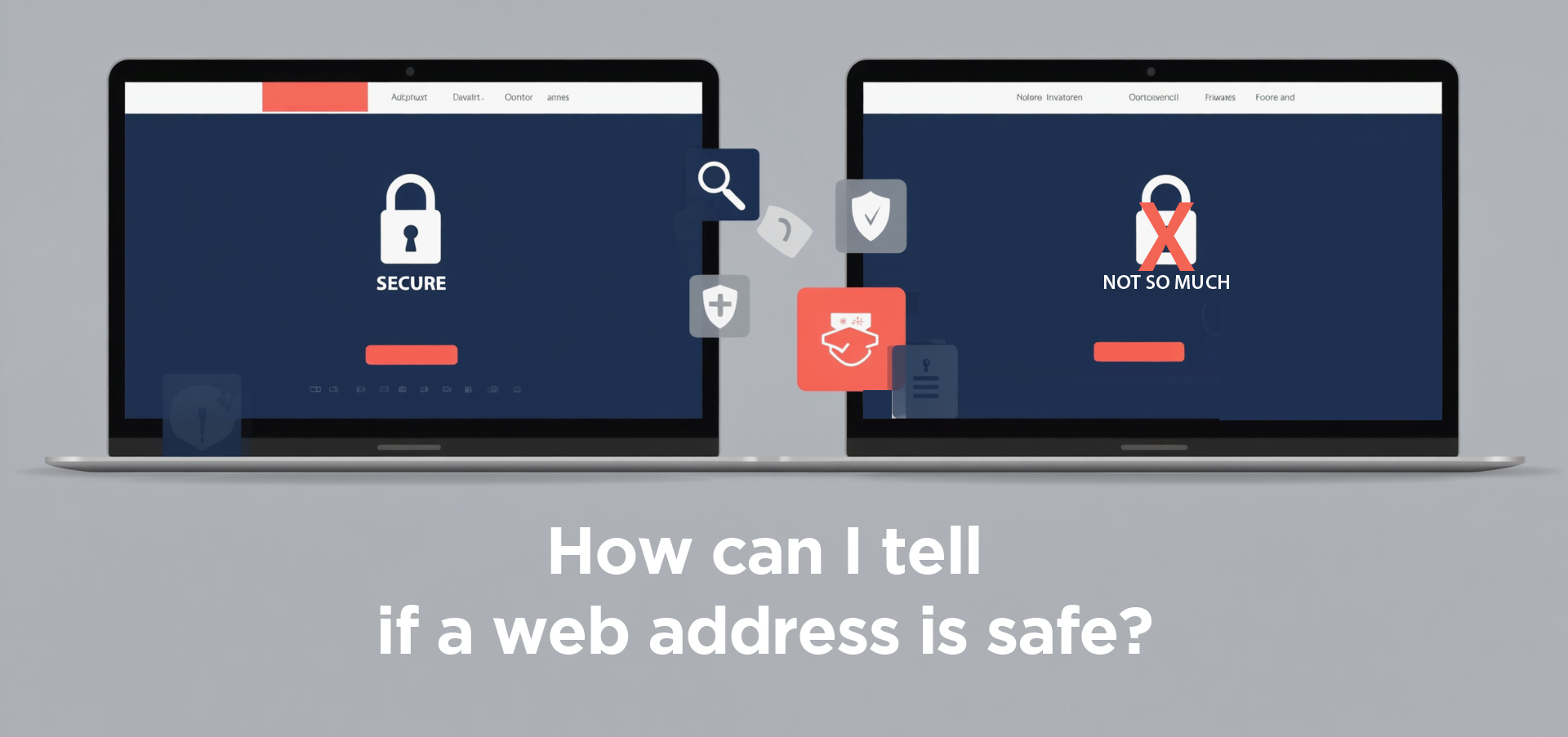
For starters, be skeptical of products sold on major social media websites.
Two other ways to check: visit Trustpilot.com, reddit.com, or the Better Business Bureau and search on the name of the company.
Or visit a search engine or AI engine like ChatGPT or Perplexity and search on the company plus “scam.” We say go a step farther and do that same search using the web address, as well.
And always be skeptical of addresses with weird or slightly misspelled names.
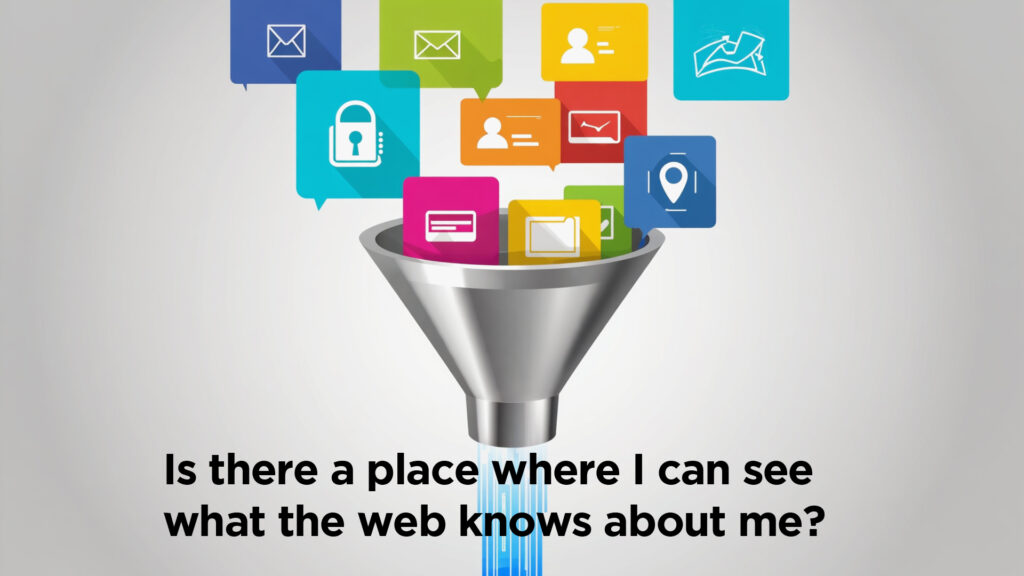
There’s not one place to check, but here are resources that can help. For starters, you can check how much of your personal information has been exposed online using the free website haveibeenpwned.com. They track stolen passwords that are for sale to cybercrooks.
Mozilla Monitor is a free, web-based service that tracks what email addresses have been impacted by data breaches. You simply go to https://monitor.mozilla.org and enter your email address.
For more comprehensive monitoring, paid services like Aura can alert you when your personal, financial, or password information appears on the dark web. Aura is widely recognized by independent reviewers, including Tom’s Guide, Forbes Advisor, Money, and Security.org, as one of the top-rated identity protection platforms. Monthly subscription rates are $15 for an individual and $50 for a family.
Whether you use a free or paid option, the key is to check regularly, change reused passwords, and enable multifactor authentication to stay protected.
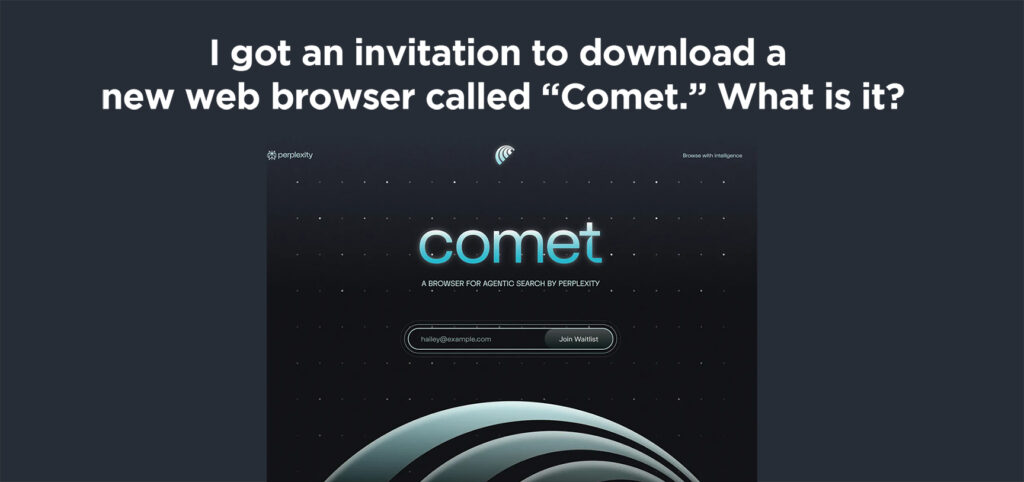
Comet is a new, free web browser from the AI company Perplexity that uses artificial intelligence to help you do things like browse the web, shop online, send emails, and schedule events.
It aims to compete with Edge, Chrome, Safari, and other popular browsers. Recently, though, cybersecurity experts at LayerX found a flaw that could let hackers trick Comet into revealing personal information from linked accounts such as Gmail.
Send us your cybersecurity question for possible use in a future newsletter.