Thermacell logo above the text Cybersecurity News You Can Use and the tagline We’re always keeping you safer online, with a silhouette of two people sitting in a field at sunset with a colorful sky.
Thermacell phish graphic b

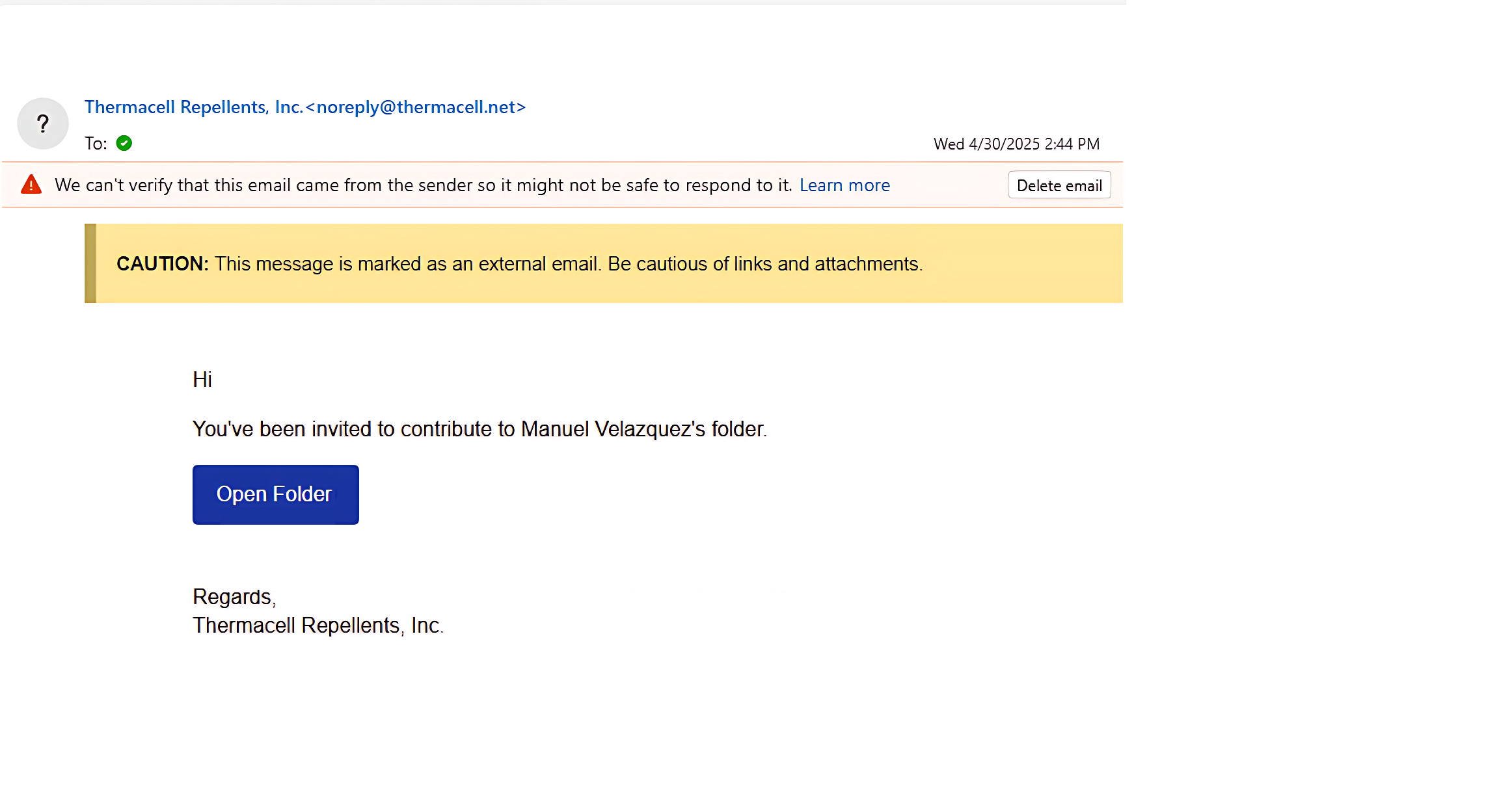
Did you recognize this phish? We sent a phishing email simulation to see if folks would be suspicious enough to avoid clicking on a phishing email. 

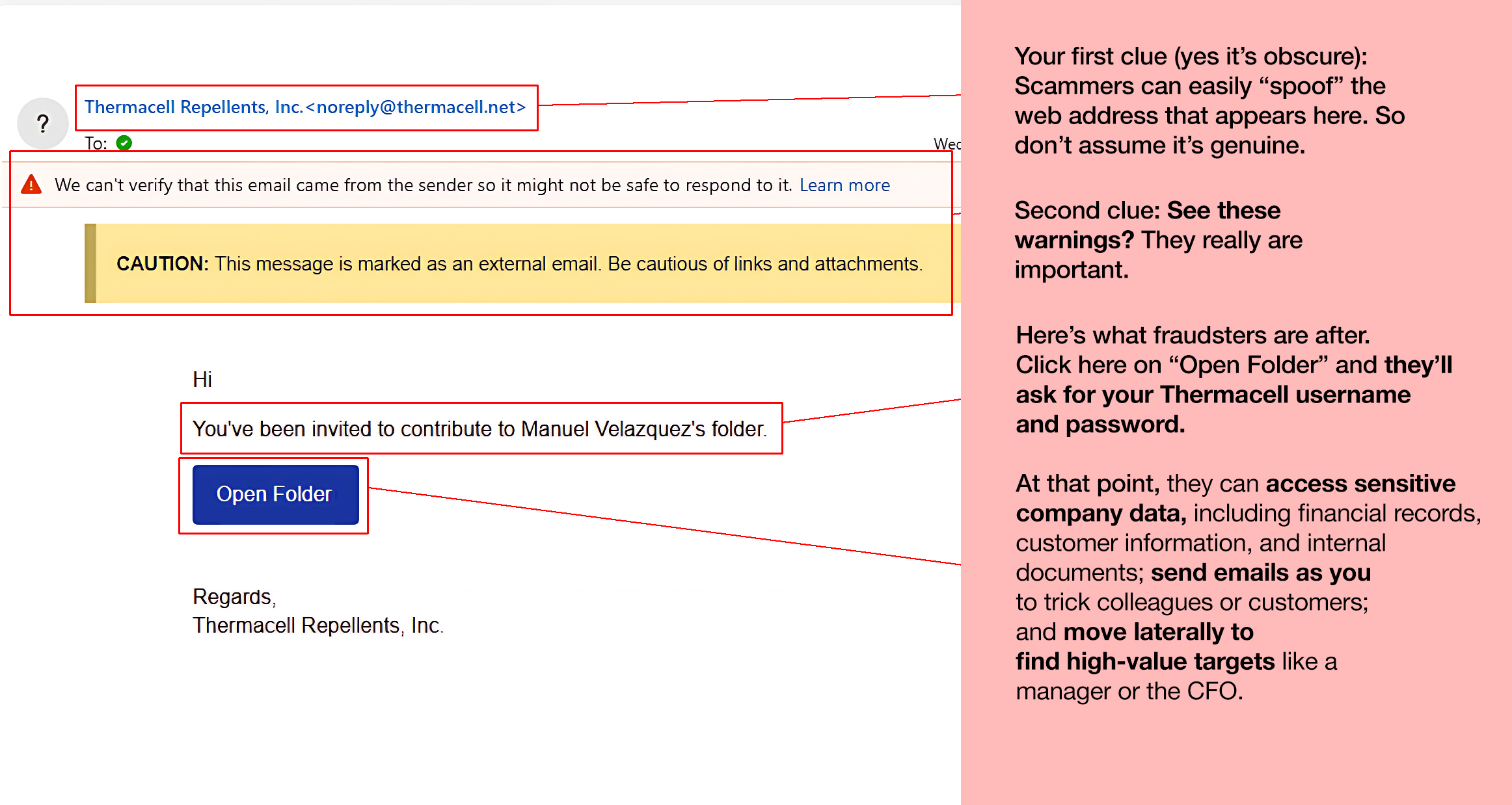
Here’s the original message, along with the clues that it was a phish.

Use your mouse to drag the slider from left to right and you’ll see clues the message wassimilar to what a real crook would send. 

Thermacell before and after left
Thermacell before and after c
Before
After

Campaign: Company-Wide Security Awareness Test

📬 130 Employees Targeted
📬 67.4% Opened
⚠️ 27 Clicked (20.9%)
🔓 17 Entered Data (13.2%)
📎 4 Opened Attachments
🛡 42 Reported It!

These phishing simulations are designed to help you recognize threats before they become real. While 32.6% of you reported the email — a strong number — nearly 1 in 5 clicked, and 13% gave away sensitive data.

May 1 lead ai graphic o

Cybersecurity News You Can Use

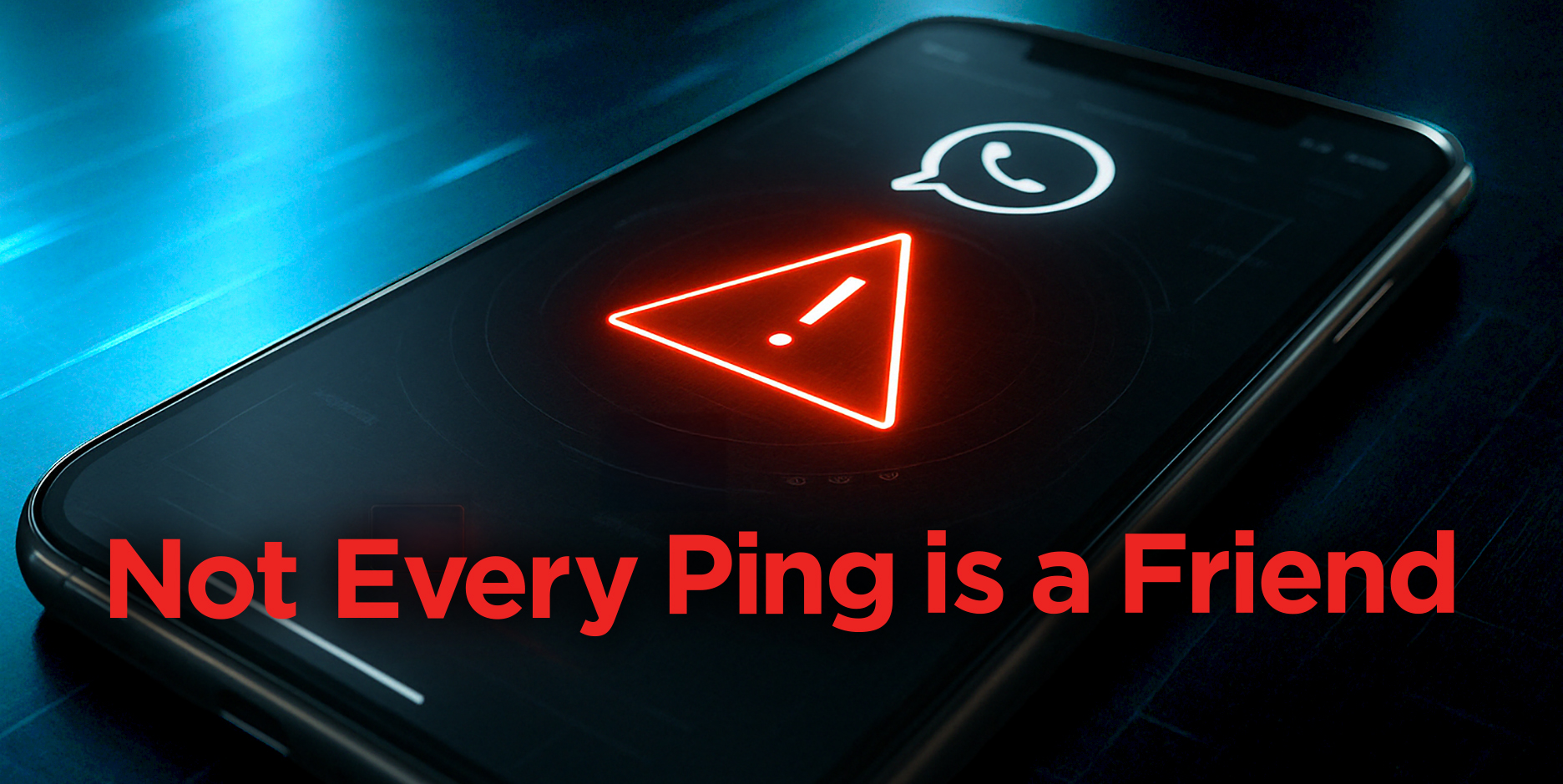
Whatsapp graphic 4

WhatsApp users, here is a fast-growing scam where crooks steal information, money, spread fake links, or send dangerous malware.

Bear with us — the fraud is confusing, which is why it’s so dangerous. Here’s how it works.

1: A hacker gets access to someone’s WhatsApp account.
They do this by getting that person to accidentally give up their 6-digit WhatsApp verification code (just like what they’re about to try with you). Now the hacker has full control of your friend’s account — they can see messages, contacts, and send messages as if they were that person.

2: Next, the hacker sends YOU a message pretending to be your friend.
Since they’re using your friend’s real account, the message looks legit. It says something like: “Hey! I accidentally sent a code to your phone instead of mine”. Can you send it to me?

3: But wait! That 6-digit code was actually sent to YOU by WhatsApp.
At the same time, WhatsApp sends you a message with a 6-digit login code — because the hacker tried to log into WhatsApp using your phone number.

4: If you share that code, the hacker can now log into your account!
That code is like a key to your WhatsApp. If you hand it over, the hacker takes over your account. You get logged out — and now the hacker is messaging your contacts, pretending to be you.

The hacker then uses your account to target your friends.

The lesson: don’t ever respond to an unexpected authentication message. 

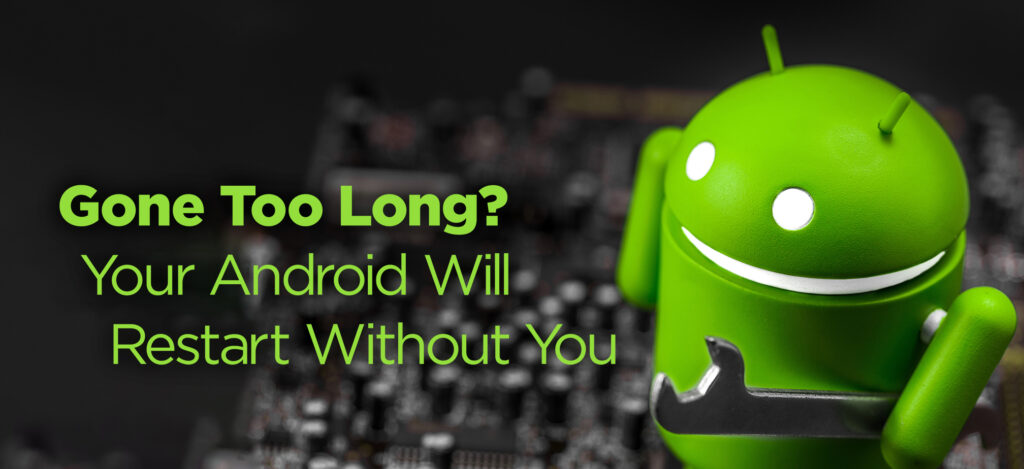
Android restart image

Android phone and tablet owners: Watch for a new security feature in the next few weeks. If you leave your device locked for three consecutive days, it will automatically restart. This is a smart move.

A restart is often needed to complete a system update or security patch. If someone hasn’t restarted their phone in days, this auto-restart helps keep the device updated and protected from threats.

Another benefit to automatic restarts: Some malware can survive in memory as long as the phone stays on. Restarting clears temporary data and can stop some types of malicious activity from continuing undetected.

iPhone users: You should turn your phone off and back on every so often, too.

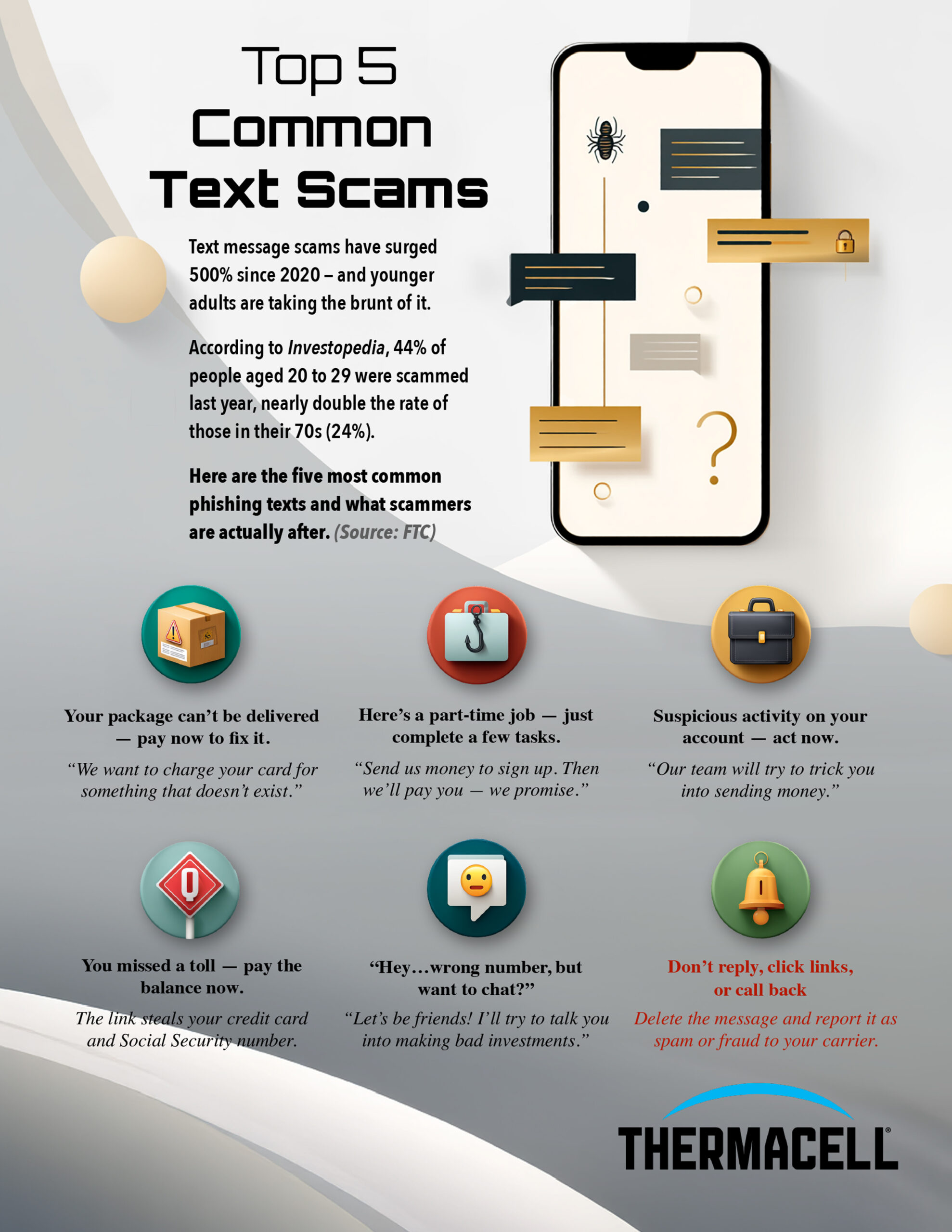
Thermacell | top 5 texts

One more thing...

brianbatescomic via Instagram | Used with permission

Answers to Your
Cybersecurity Questions

“I got an email from Apple saying someone had added me as a trusted contact, but I don’t know what that is or who they are. What should I do?” — Barbara W.

You can find out by following this path on your iPhone: Tap Settings [the icon that looks like a gear] > [Your name, where it appears at the top] > Password & Security > Account Recovery. If you don’t recognize a name there, you can delete it.

It’s not much of a danger because they won’t have access to your iPhone. If they get locked out of their Apple account, they can have a code sent to you, and use that code to get back in.

“Last time, you posted an answer about how anti-virus software can help keep my computer safe. Is that all I need?” — Marcus X.

Anti-virus software is an extra layer of security designed to catch threats your computer’s operating system might not. But more cybercrimes happen because we fall for scams based on the message in an email, text, or voicemail. Software won’t always help.

If you get an urgent communication, resist the urge to believe you’re in trouble. That warning or credit card charge is more likely a fake, even if it looks genuine. To check, visit the company’s website yourself — don’t click on a link to verify it.

Send us your cybersecurity question for possible use in a future newsletter.

Original content © 2025 Aware Force LLC