- Big changes are coming this month to the ways companies handle your privacy online.
- 3 ads in social media feeds to watch out for.
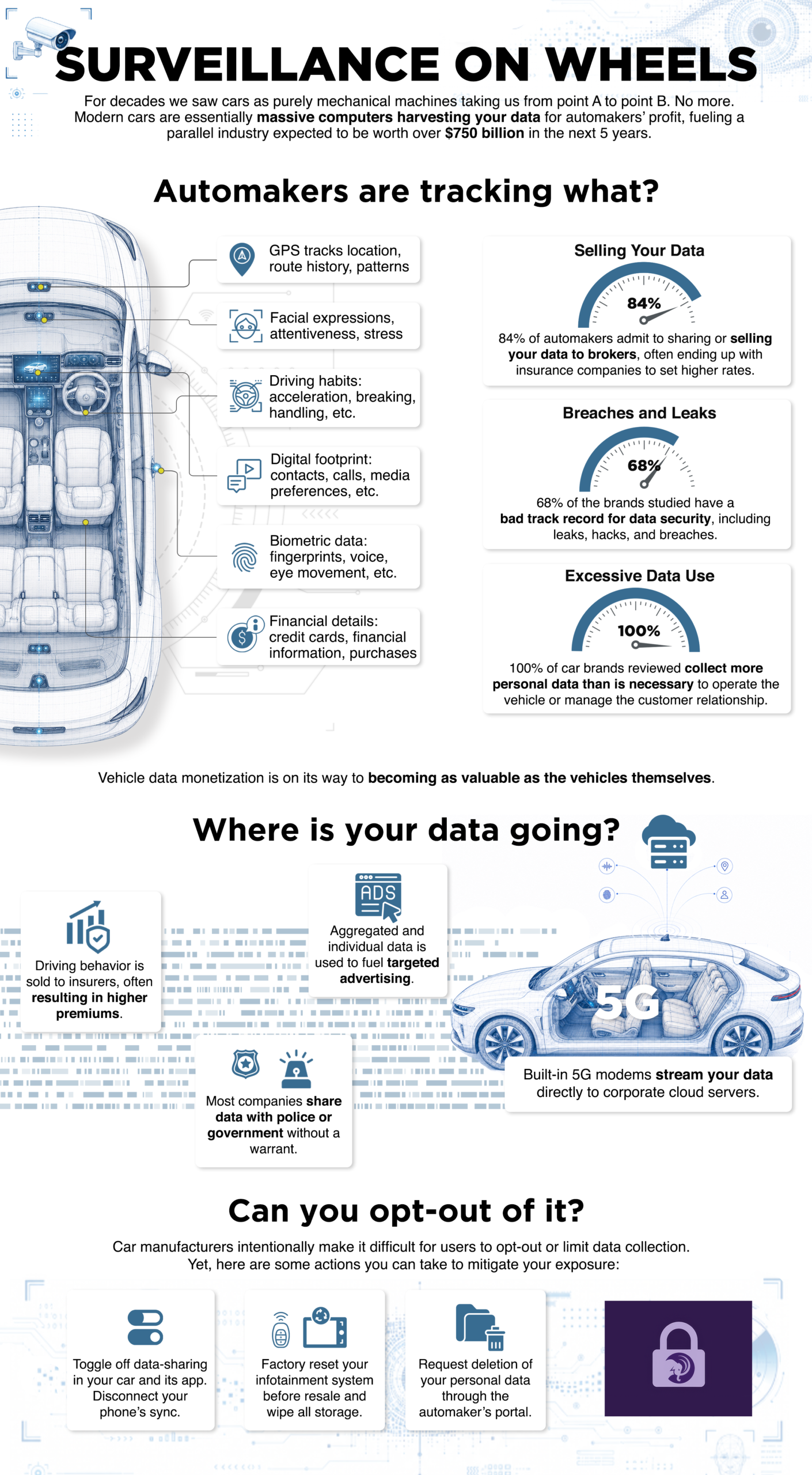
- Your car is very interested in what you’re doing on the road: that data is worth big money.
Live Cyber Poll
Cybersecurity News You Can Use
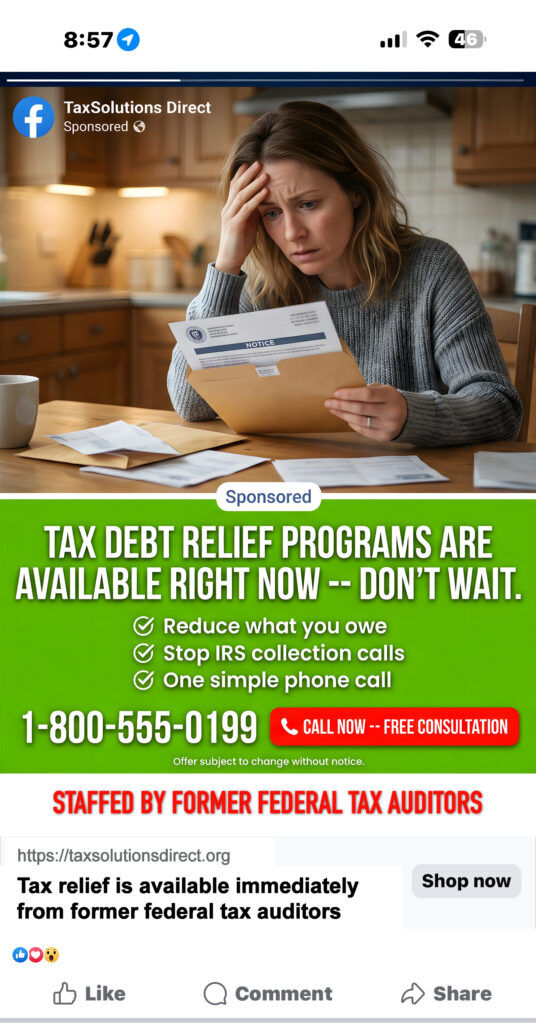
Social Media Scams from the Summer of ‘26: Nearly 30% of all scam victims say the fraud started on social media (usually Facebook), and these ads show how it happens: a too-good-to-be-true offer, a countdown clock, a stressed person who looks just like you, engineered to get a click.
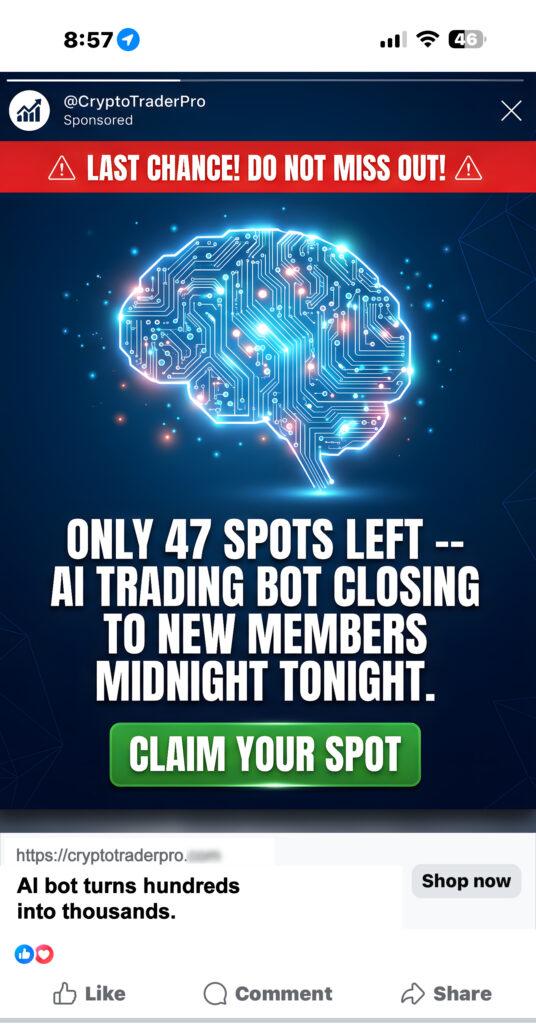
Investment schemes now account for more than half of all social media scam losses. AI has supercharged these schemes by making the ads look completely convincing. Ignore them.
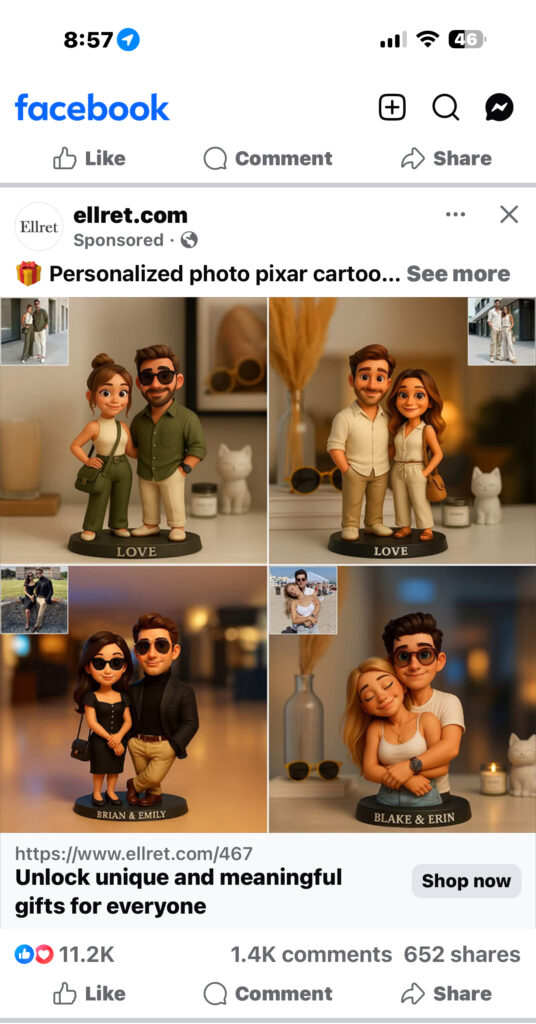
More than 40% of online shoppers say they either received nothing, a cheap knockoff, or had their payment information stolen. AI makes the products look really cool. Too bad.
These ads impersonate tax resolution firms that promise to wipe out back taxes for pennies on the dollar in exchange for an upfront fee that then disappears…along with the “company.”
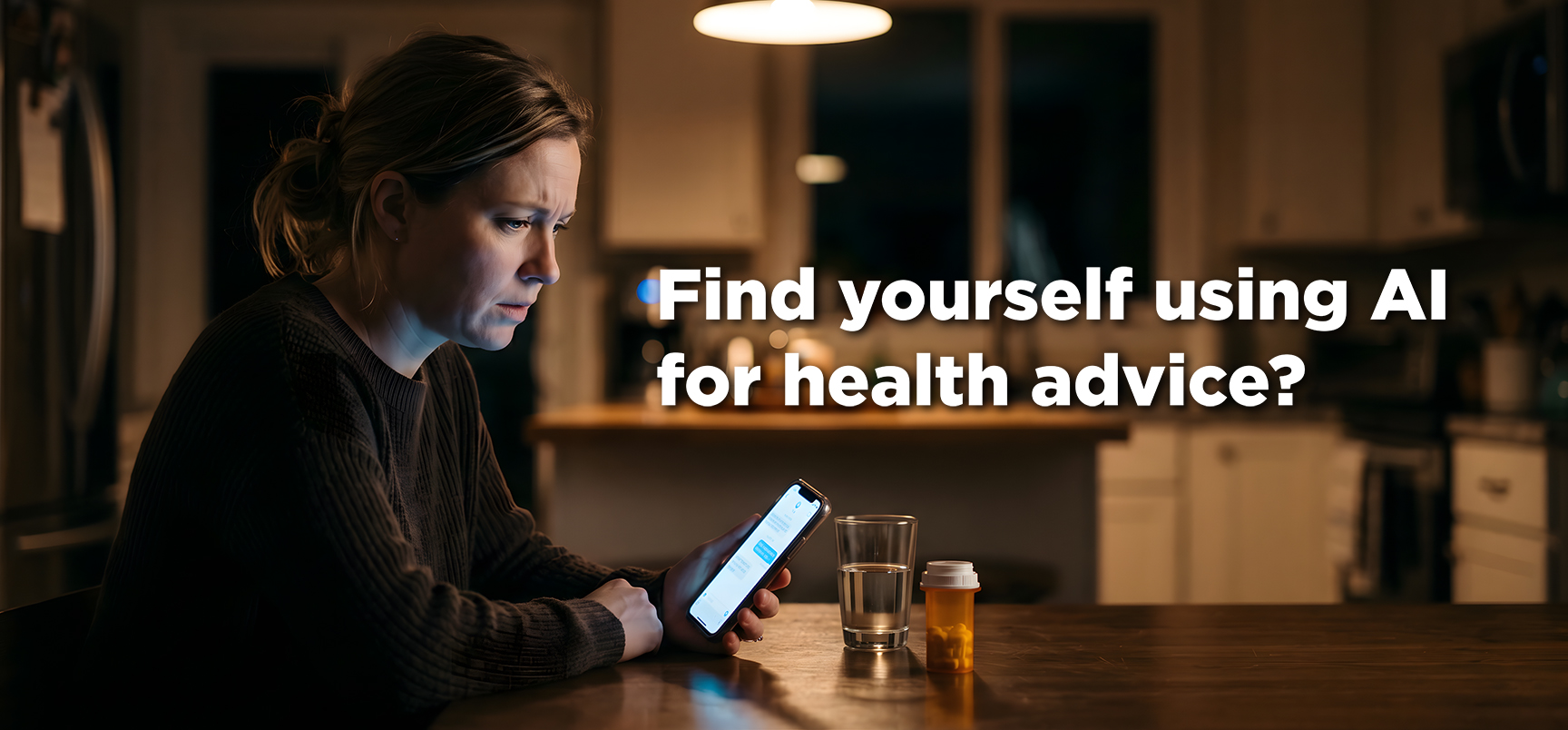
A new Oxford University study, the largest of its kind, concludes that AI chatbots correctly identified medical conditions in nearly 95% of cases when given clean written scenarios.
That’s the good news. The bad: when people described their own symptoms, accuracy collapsed to just 34.5%, worse than the group who simply Googled their symptoms. This is especially true in cases involving medical emergencies.
The problem isn’t AI’s medical knowledge. It’s that people don’t know which details matter, so chatbots can give wildly different answers based on slight wording changes.
Remember these three cautions:
- Use it for context, not conclusions. AI is reasonably useful for understanding what a condition is, decoding medical jargon, or preparing questions for your doctor. It is not reliable for deciding whether your symptoms are serious or what to do next.
- Never let it make the ER call. If something feels urgent, go directly to a doctor, call 911, or call a nurse line. AI undertriages genuine emergencies more than half the time.
- Ask it for sources, then verify them. Nearly half of the chatbot health responses were problematic. Confident-sounding references to the platforms cited are often wrong or unreliable.
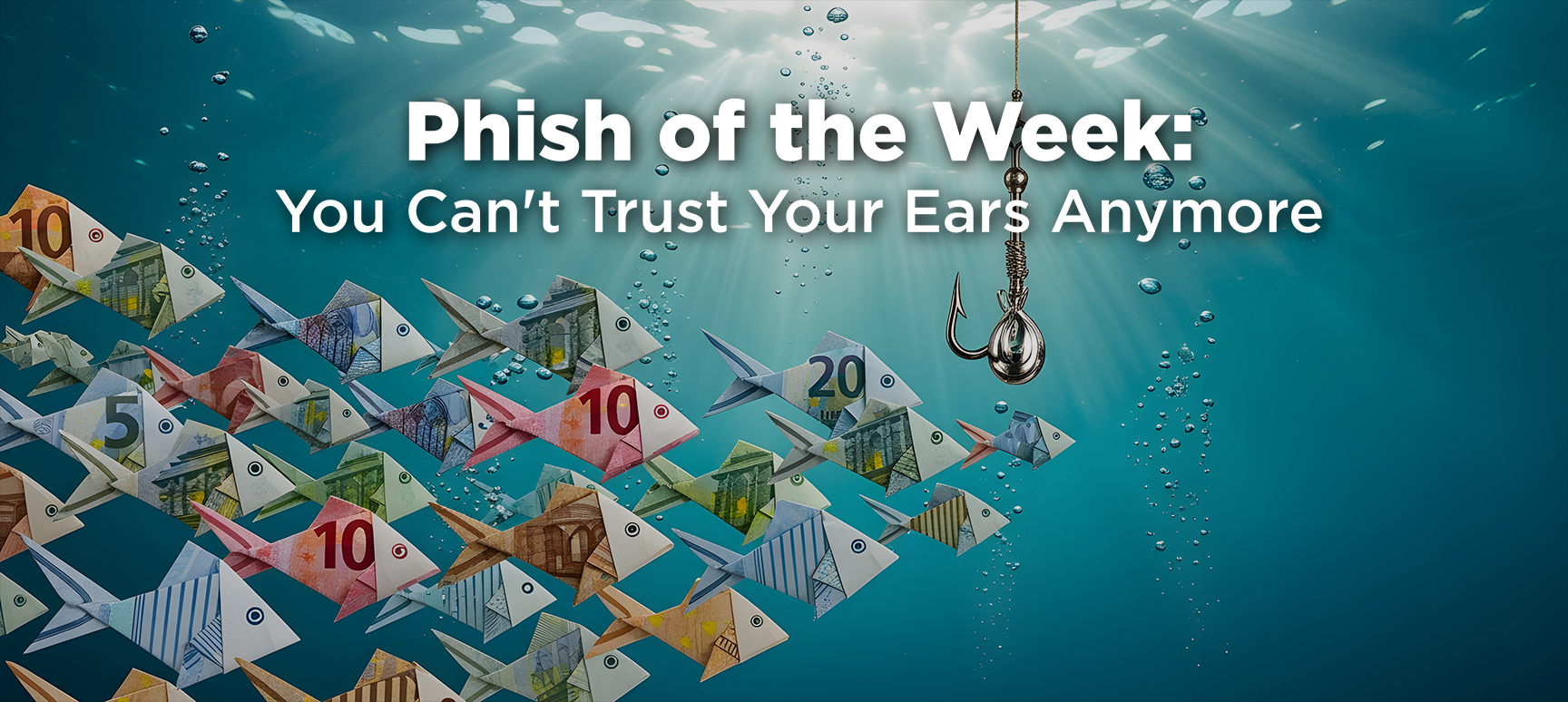
Here’s a voicemail scam promising to reduce your federal tax bill.
Nomorobo is tracking a 400% increase in these calls this year.
Example: a Michigan man lost $1 million because of it:
the voice on the other end was fake, but the damage was real.
Click below to listen to two examples.
The voices may sound genuine, but were made by AI for about $5.00. The technology is so good, human ears only detect the fake voice about 60% of the time.
Scammers leave a voicemail saying you owe back taxes, then offer to “resolve” the debt, usually by sending a gift card, wire transfer, or upfront fee.
Remember: the IRS will never call you to demand immediate payment, threaten you with arrest, or ask for gift cards, wire transfers, or cryptocurrency. Any call offering to settle your tax debt for a fee, no matter how official it sounds, is a scam. Hang up and call the IRS directly at 1-800-829-1040 or check your account at irs.gov to verify whether you actually owe money.
One more thing...

“I just read where Sony PlayStation is going to remove hundreds of movies from its online library, which means people that paid full price to buy the movies will no longer be able to watch them. I’ve spent a lot buying movies from Apple and books from Amazon. Is this a big warning?”
It’s true. Later this summer, Sony will delete over 500 movies and TV shows including Terminator 2, Apocalypse Now, and Paddington from the digital libraries of UK PlayStation users.
No refund — sorry. Read the fine print: they can do it. Amazon, iTunes, and Kindle operate under the same legal framework. Books, movies, and TV shows are encoded so your copy is unique to you and can easily be deleted from your devices.
Think of any content you purchase digitally as a long-term rental. Physical media like books and discs remain the only true ownership guarantee: a Blu-ray disc plays regardless of what any company does with its servers.
“My YouTube TV kept freezing, so I searched for their support number online, called it, and a very professional-sounding person walked me through troubleshooting. Then he asked me to send a gift card to verify my account, at which point I hung up and immediately called my bank to set up fraud alerts. Has anyone else run into this, and is the account freezing itself part of the scam or just bad timing on my part?”
This is a case of tech support fraud, and it’s a big problem online. The freezing of YouTube TV was likely a coincidence.
Your clue that this is a scam is the phone number that appeared in search results. (Yes, some results in Google search and ads can be fake.) A second clue: no legit situation involves paying with a gift card. You did the right thing by hanging up. The good news is that because you caught it before sending any money, your accounts are almost certainly fine.
“We just noticed that Netflix is asking every person in our household to register their own email address just to watch TV? What’s the deal?”
Netflix has put that requirement in place so it can tie what you watch to an email address that feeds Netflix’s data engines. It’s also the latest move in a crackdown on password sharing.
If you’re focused on privacy, consider using a dedicated email address for streaming services rather than your primary personal or work address.
You’ll see more of this: Netflix, Disney+, HBO Max, and Amazon are all tying your identity to their advertising.
Send us your cybersecurity question
for possible use in a future newsletter.
You don’t have to provide your name or email address.
If you do include an email address, we’ll do our best to respond to your question.
Was this content helpful?
Cyber Content Archive: Always Available

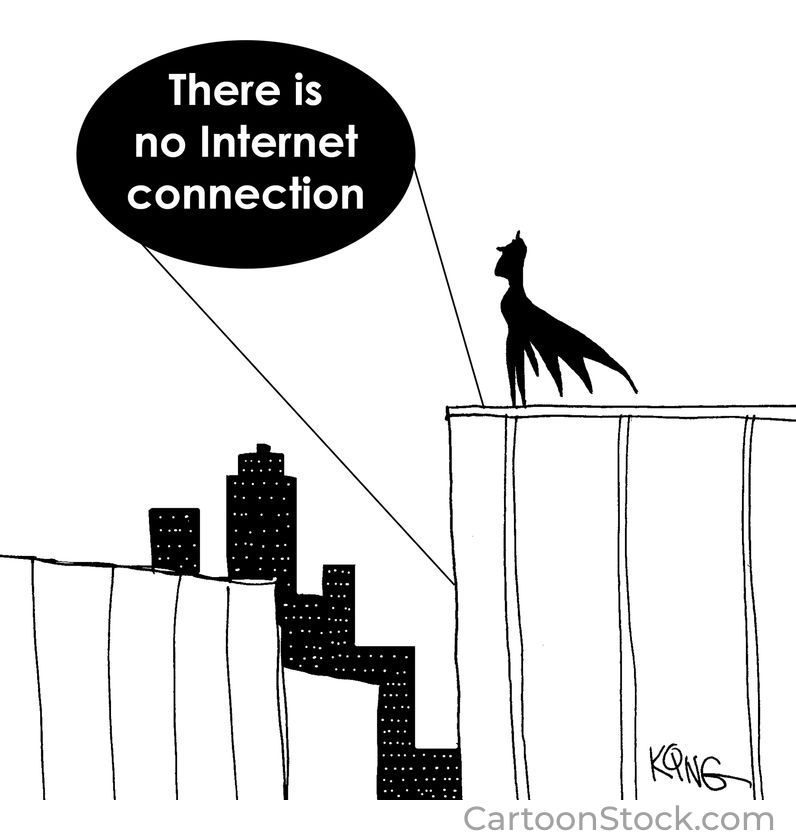
Cyber cartoon © 2026 CartoonStock | Original content © 2026 Aware Force LLC

Cyber cartoon © 2026 CartoonStock | Original content © 2026 Aware Force LLC