In this edition: What you should know about using ChatGPT and other AI apps.
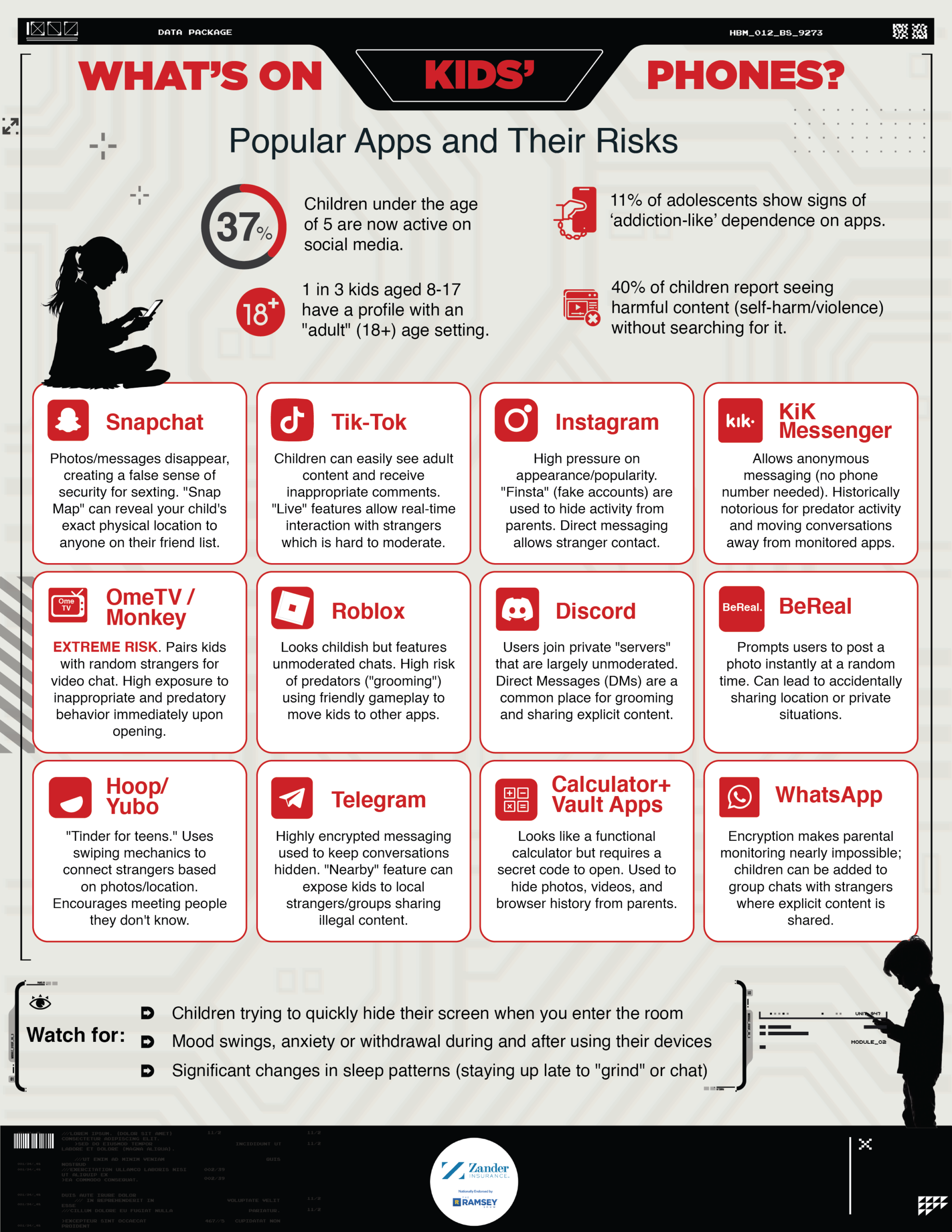
Understand the apps on your teen’s phone.
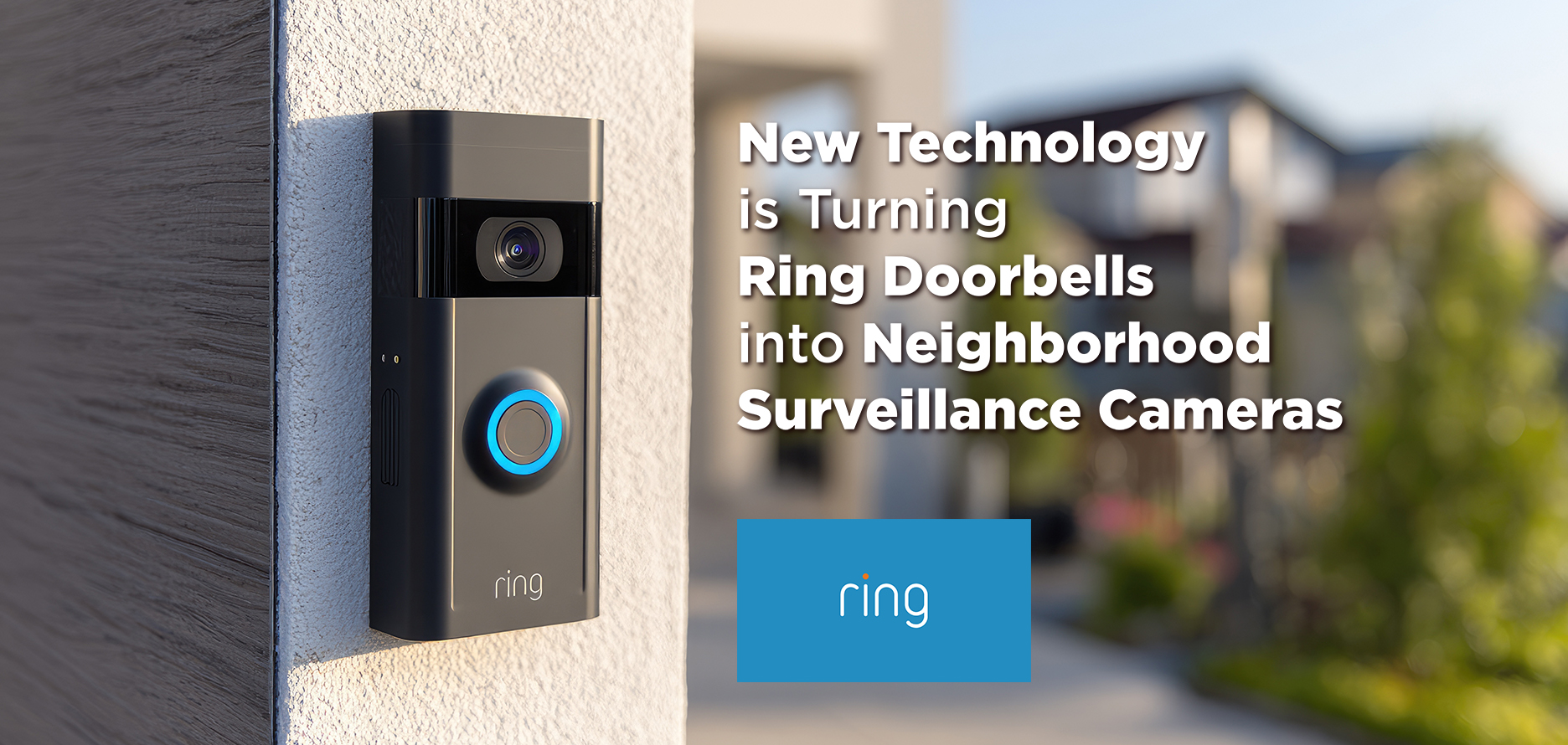
Your doorbell camera is joining a surveillance network: sometimes that’s good, sometimes it’s not.
Live Cyber Poll
Cybersecurity News You Can Use
Ring, the popular AI-powered doorbell, has rolled out a feature called Search Party that uses AI to scan outdoor Ring cameras for lost dogs. Because it’s turned on by default, your Ring may already be analyzing and sharing snapshots from your cameras with Ring’s wider search system unless you opt out.
Ring is also expanding Familiar Faces (off by default), which lets you save images of people so your camera can recognize and label who is at the door. That effectively turns your doorbell into a node in a much larger AI-driven surveillance network, raising real questions about privacy and consent for visitors and neighbors.
Your next step: Decide which settings you’re comfortable with. Before spring break, take five minutes to open the Ring app, review Search Party, Familiar Faces, and other sharing options, turn off anything you don’t want, and decide how much of your front porch you’re willing to feed into Ring’s AI and potentially to others.
Scammers are running “calendar spam” campaigns that stuff your Google Calendar with fake meetings and disgusting events, hoping you’ll click their links. They do this by blasting out spam invites to email addresses they’ve collected from data breaches, data brokers, and other lists.
In Google Calendar, go to Settings → Event settings → “Add invitations to my calendar” and change it to “Only if the sender is known” or “When I respond to the invitation in email” so random invites can’t auto-add. Then, open any spam events you already have, choose the three dots, report them as spam, and delete them so they disappear.
Don’t click any links or phone numbers in those invites, even if they pretend to be Google, your bank, or tech support.
New Google Tool Helps You Hide Personal Info from Search Results
Google has rolled out a new privacy tool that lets you ask the company to pull some personal information from Google Search results. The new “Results about you” dashboard scans for things like your phone number, home address, and government ID numbers, so you can request that those links be taken down. This doesn’t erase the content from the internet, but it does make it much harder for strangers, stalkers, or scammers to find that material with a quick search.
You can access this tool in the Google app by clicking on your Google account photo and selecting “Results about you”, or by visiting goo.gle/resultsaboutyou.
Update Your Passwords
Users’ passwords from these organizations have recently been found for sale on the dark web.
If you do business with any of these companies, change your account password and use two-factor authentication wherever possible.
One more thing...
“In a recent newsletter, you provided a calculator to determine how long it would take scammers to guess a password. Forget passwords — I want to know how secure a passkey (a four-digit PIN you use instead of a password) is for accessing your account.”
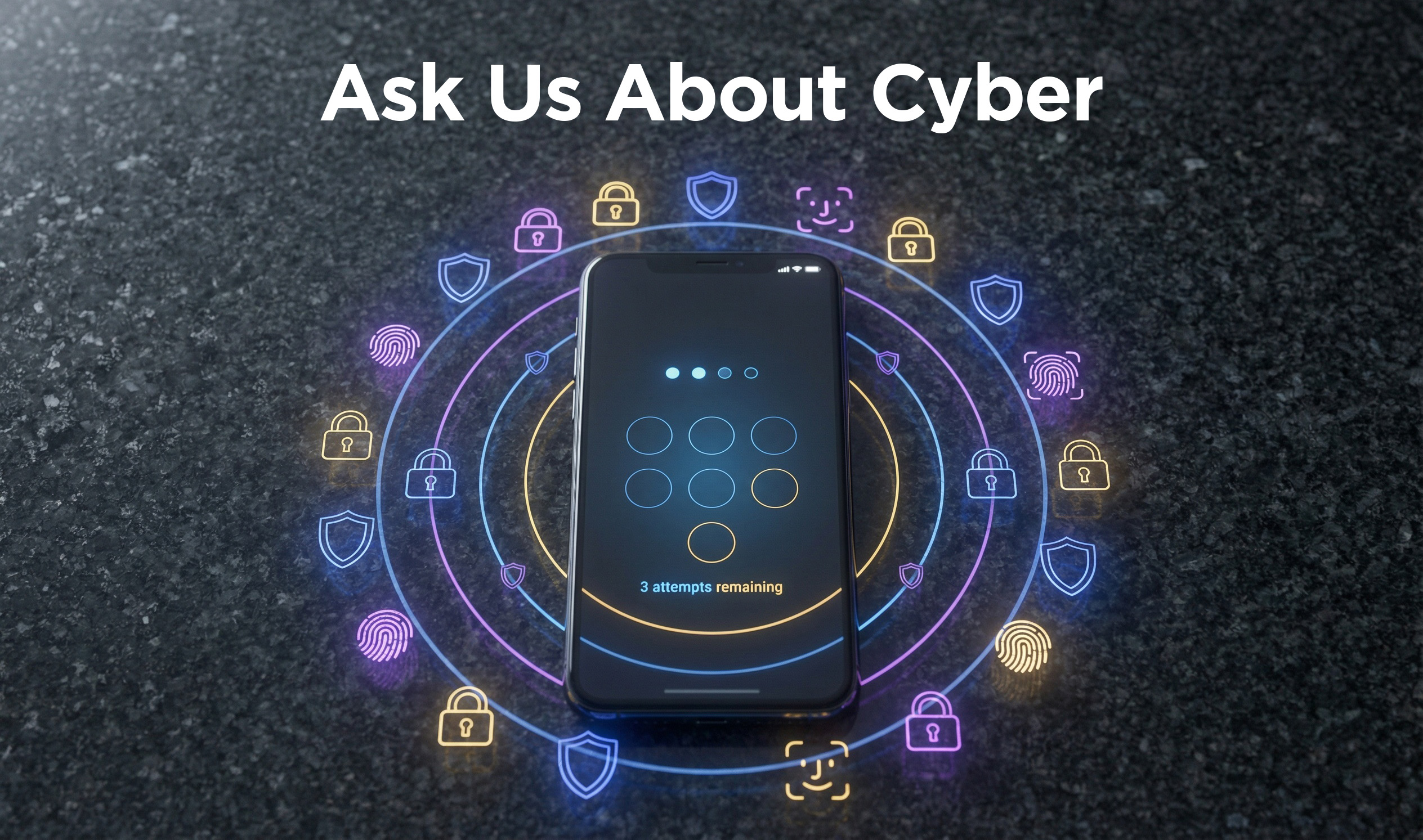
A passkey is different than a password. A passkey is a code you enter on your phone or computer. To tell the device it’s you. The code doesn’t get sent over the internet.
Even if someone wanted to guess the code, they’d need your device and would only get a few tries before it locks. That’s why passkeys with a PIN are much safer than most passwords.
To start using passkeys, go to an account’s security settings and choose “Use a passkey.” Then confirm with your phone or computer using a code, fingerprint, or face scan. After that, you’ll sign in by approving the login on your device instead of typing a password.
“I received an email from Experian stating that my credit usage had gone up and asking me to click to review it. How do I know if it is really from Experian?”
Treat credit alert emails like smoke alarms: verify them before you react. Skip the link in the email. Instead, open a new window on your web browser, and sign in to Experian.com directly. Or you can call them at 866-617-1894.
Send us your cybersecurity question for possible use in a future newsletter.