- In this edition: Why you’re getting so many scam emails and texts, and what to do about it.
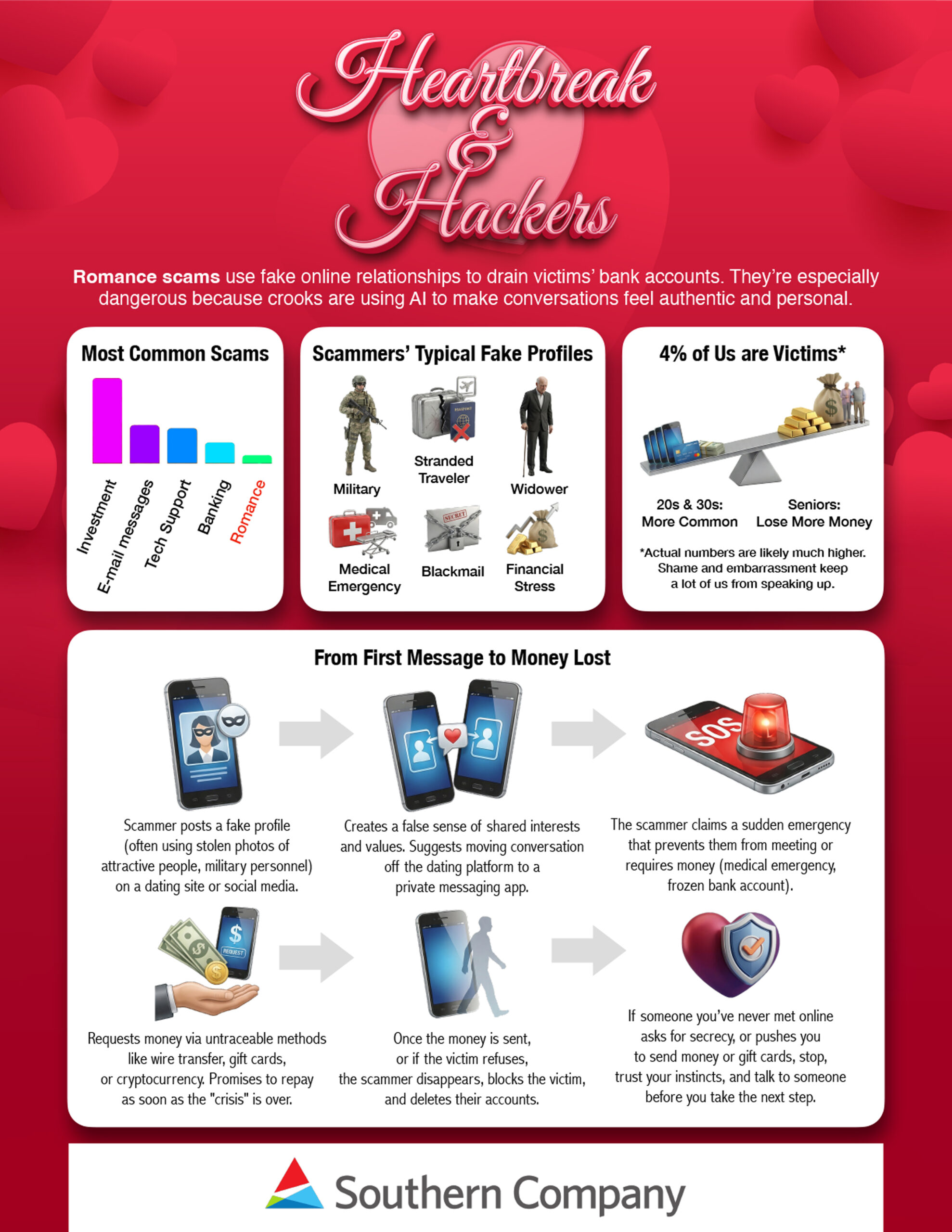
- With the help of AI, romance scammers are becoming much more dangerous.
- Here’s how you can tell if an online store is safe.
Live Cyber Poll
Cybersecurity News You Can Use
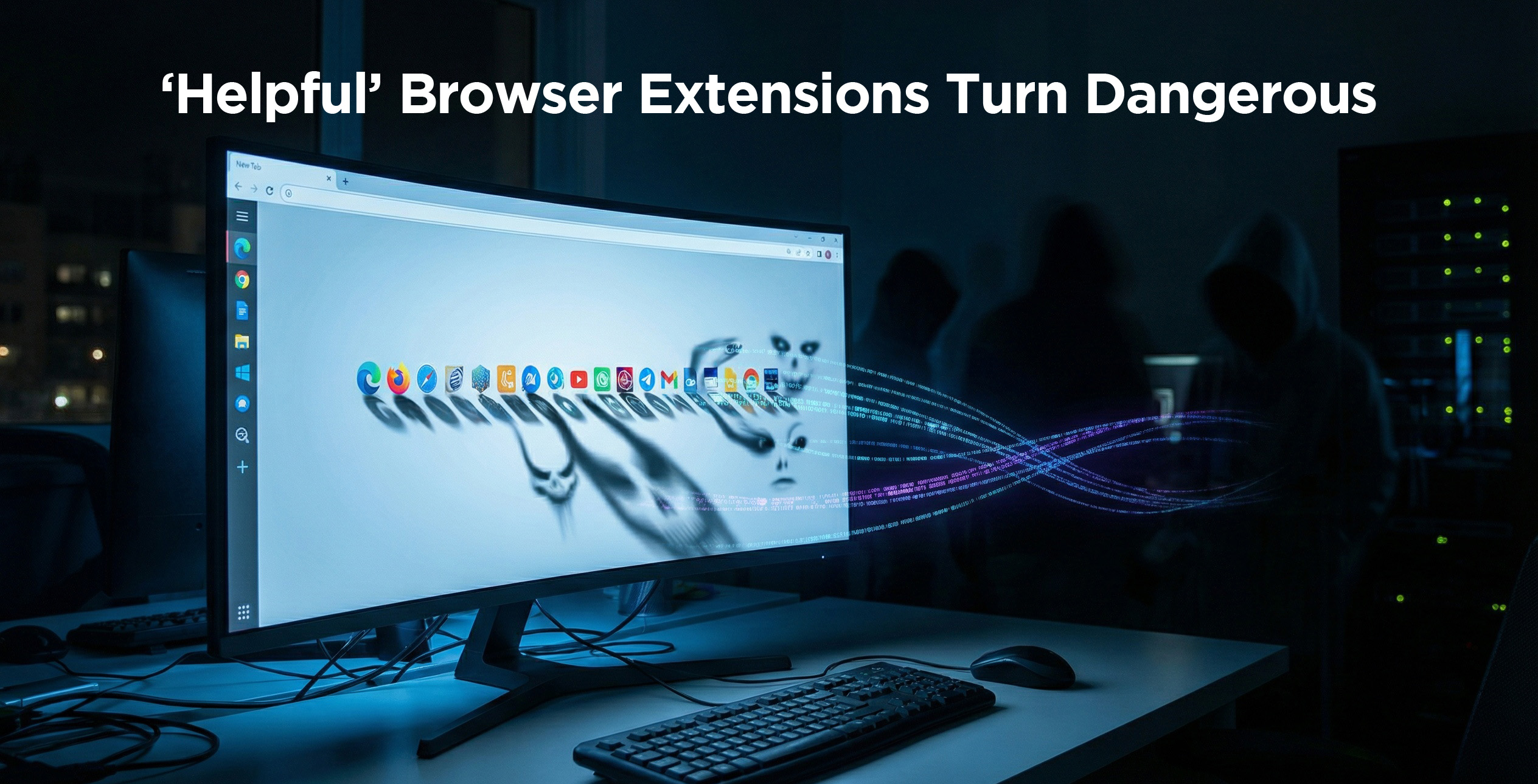
Security researchers have identified 18 popular browser extensions, used for tasks such as translating pages, downloading videos, and tracking prices, that secretly run malware campaigns that track users’ online activity to sell the data to third-party brokers. Mozilla and Microsoft have pulled them from their stores, but anyone who installed them needs to uninstall them manually.
- Page Screenshot Clipper
- Full Page Screenshot
- Convert Everything
- Translate Selected Text with Google
- YouTube Download
- RSS Feed
- AdBlocker Ultimate
- AdBlocker
- Color Enhancer
- Floating Player – PiP Mode
- One Key Translate
- Cool Cursor
- Google Translate in Right Click
- Translate Selected Text with Right Click
- Amazon Price History
- Save Image to Pinterest on Right Click
- Instagram Downloader
- Urban VPN Proxy
Even when an extension is available from an official app store, only download it if you recognize the company it’s from, read user reviews, and limit the app’s permissions.
Phish of the Week
The password management app LastPass is warning customers about a new phishing campaign. The email impersonates a LastPass message about a 24‑hour “vault backup” maintenance notice. It was sent over the MLK Jr. holiday, designed to create urgency and catch people while many offices were closed. These emails are fake. LastPass reminds users that it will never ask for master passwords or demand immediate action under tight deadlines.
Update Your Passwords

Users’ passwords from these organizations have recently been found for sale on the dark web.
This latest trove of Gmail passwords is in addition to passwords found for sale late last year. Gmail users should update their passwords with passphrases at least 15 characters long and not used anywhere else.
If you do business with any of these companies, change your account password and use two-factor authentication wherever possible.
One more thing...
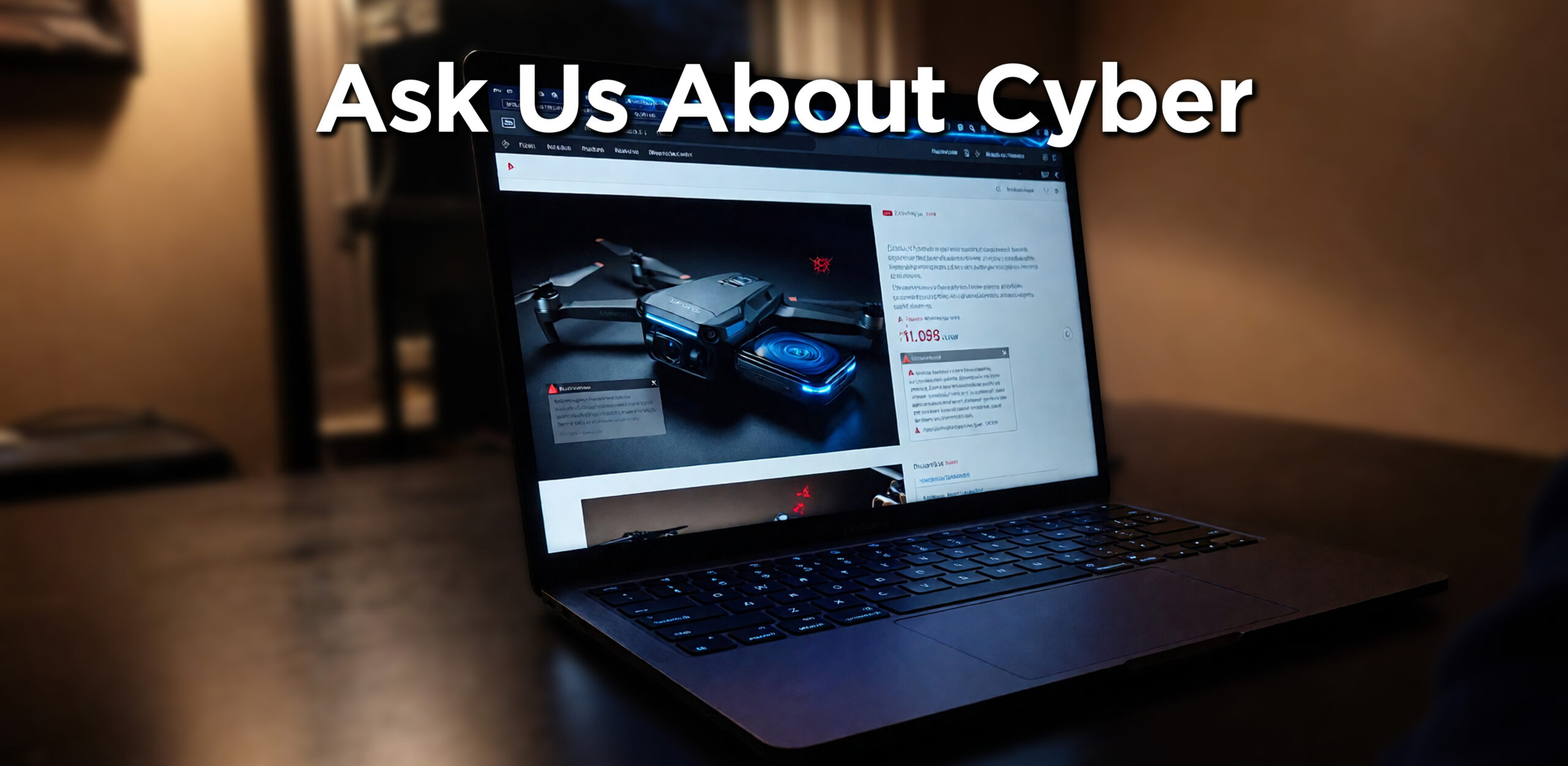
How do you know if you can trust a website? I was hacked a year ago, and now everything I do online makes me nervous.
Look for red flags, such as prices that are way too good to be true, a web address that’s close — but not exactly what you’d expect (like “amazondealnow.com” instead of “amazon.com”), and pop-up boxes that direct you to click on a link.
Before you buy or enter personal info, paste the web address into a site checker like Get Safe Online’s “Check a website,” Norton’s Safe Web, or ScamAdviser to see if others have flagged it as risky.
How can I determine if an advertised product on Facebook will be shipped from another country?
Before buying something, look for a shipping policy that mentions 10–30 business-day delivery, “international warehouse,” or customs/VAT fees. That’s a red flag.
Here’s another way: copy the product’s web address and paste it into a search engine or AI platform like ChatGPT or Gemini. Then ask whether the retailer’s web address is a scam and where it’s based.
I got an alert saying a “new device” signed in to my PayPal account. What should I do?
If you just logged in to PayPal, it’s not necessarily a red flag. But if you didn’t, visit paypal.com or open the PayPal app, sign in, and check your recent activity. If you see anything you don’t recognize, report it in PayPal’s Resolution Center, then change your password and make sure two‑factor authentication is turned on.
Even if everything looks normal, visit Settings → Security → “Manage your logins” and delete any devices in the list that you don’t recognize.
On my home computer, where do I report a phishing email?
In Gmail, Outlook.com, Yahoo, or Apple Mail, open the message, click the three dots or “More” menu, and choose Report phishing or Report junk/phishing so your provider can block similar emails. Don’t click “unsubscribe” unless you’re certain it’s from a reputable sender. Otherwise, just delete it.
Send us your cybersecurity question for possible use in a future newsletter.
Cyber Content Archive: Always Available

Cyber cartoon © 2026 CartoonStock | Original content © 2026 Aware Force LLC